
Customised Herbal Prescription
A Chinese herbal formula written for you alone: after a full consultation, your practitioner combines and adjusts classical formulas to match your symptoms and constitution, then supplies it as easy-to-take concentrated granules.
Book an appointment →Understanding Customised Herbal Prescription
- 01
Traditional Background

Pulse reading is part of the TCM consultation that shapes your prescription How Did Herbal Prescribing Develop?
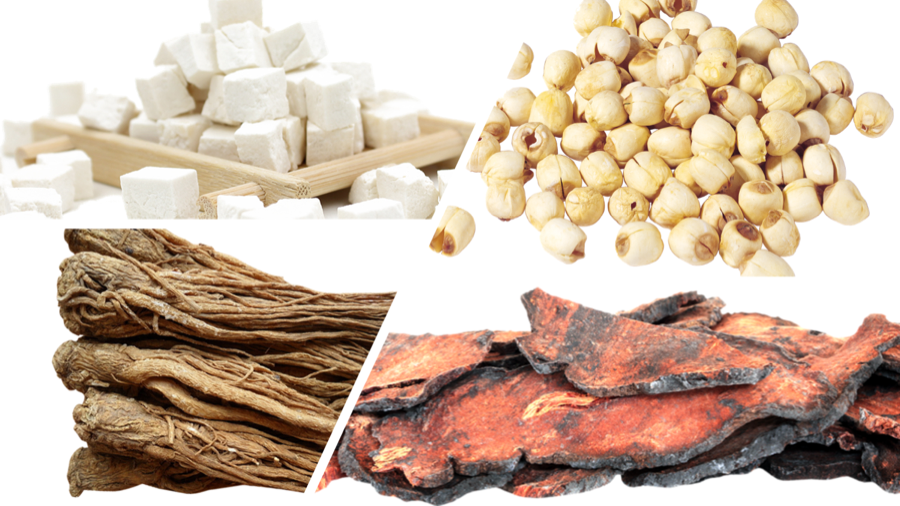
Chinese herbal medicine has been recorded for around two thousand years. The Shennong Bencao Jing (Divine Farmer’s Classic of Materia Medica) catalogued 365 medicinal substances, and Zhang Zhongjing’s Shanghan Lun (c. 200 CE) set out many of the formulas still used today. Medicinal materials can come from the whole plant, the leaf, flower, fruit or seed, the root or rhizome, or the bark, and most are cultivated specifically for medicine rather than found in everyday cooking.
Herbs are rarely given on their own. A formula is built so that each ingredient has a role: a “monarch” herb addresses the main pattern, while others support it, temper side effects and harmonise the mix. A customised prescription often blends several classical formulas, and your practitioner adds or removes ingredients according to your TCM diagnosis. Because the pattern changes as you improve, the formula may be adjusted every few weeks.
Monarchaddresses the main patternMinistersupports and strengthens the monarchAssistanttreats secondary symptoms and tempers side effectsEnvoyharmonises the formula and guides itFigure 1. The four classical roles of herbs within a Chinese herbal formula.
- 02
Modern Scientific Perspective
How Does a Herbal Prescription Work?
Each herb contains many naturally occurring compounds, so a multi-herb formula acts on the body in a more complex way than a single-ingredient drug. Researchers study these formulas for their effects on processes such as digestion, inflammation and hormonal balance, but how individual formulas work is still only partly understood.
Your consultation
symptoms, pulse, tongue, historyFormula chosenClassical formulas are selected to match your TCM pattern, then herbs are added or removed for you.Concentrated granulesThe decoction is prepared and dried into granules by the manufacturer, ready to dissolve in warm water.Reviewed and adjustedYour practitioner monitors your progress and changes the formula as your pattern changes.Figure 2. From consultation to an individual, regularly reviewed prescription.
The clinical evidence is mixed and varies by condition. In a randomised controlled trial in JAMA, both standard and individually tailored Chinese herbal formulas improved irritable bowel syndrome symptoms compared with placebo for some patients; tailored formulas were no more effective during treatment, but only the tailored group kept its improvement at follow-up[1]. A systematic review found that granules and traditional decoctions performed similarly in most trials, although the trials were generally of low quality[2].
Herbs are not risk-free. Most adverse effects reported for herbal medicines are mild, but serious reactions can occur[3], and some herbs interact with prescribed drugs such as warfarin[4]. This is why we prescribe only after a full consultation, use reputable suppliers, and ask you to tell both us and your GP about every medicine and supplement you take.
References
- Bensoussan A, Talley NJ, Hing M, Menzies R, Guo A, Ngu M. Treatment of irritable bowel syndrome with Chinese herbal medicine: a randomized controlled trial. JAMA. 1998;280(18):1585–1589. doi.org/10.1001/jama.280.18.1585
- Luo H, Li Q, Flower A, Lewith G, Liu J. Comparison of effectiveness and safety between granules and decoction of Chinese herbal medicine: a systematic review of randomized clinical trials. Journal of Ethnopharmacology. 2012;140(3):555–567. doi.org/10.1016/j.jep.2012.01.031
- Posadzki P, Watson L, Ernst E. Adverse effects of herbal medicines: an overview of systematic reviews. Clinical Medicine. 2013;13(1):7–12. doi.org/10.7861/clinmedicine.13-1-7
- Izzo AA, Ernst E. Interactions between herbal medicines and prescribed drugs: an updated systematic review. Drugs. 2009;69(13):1777–1798. doi.org/10.2165/11317010-000000000-00000
What you need to know
- 1Before your treatment
What to Prepare
Your first appointment is a full consultation: your practitioner will ask detailed questions about your health, look at your tongue and feel your pulse. If you have any medical reports or test results, feel free to bring them, though they are not necessary.
Please bring a list of all medicines, vitamins and supplements you take, and tell your practitioner if you are pregnant, trying to conceive, breastfeeding, taking blood thinners, or have liver or kidney problems.
- 2During your treatment
How to Take Your Herbs
- You will usually receive 7 sachets of concentrated herbal granules, one week’s supply.
- Take half a sachet twice a day, 30 minutes to 2 hours before breakfast and before dinner, on an empty stomach.
- Dissolve the granules in water at about 70–80°C (boil the kettle and leave it for 5–10 minutes, or add a little cold water), then drink it warm.
- The amount of water does not matter, as long as the granules dissolve completely.
- Raw food, cold drinks, spicy food and alcohol may slow your progress; cooked vegetables, meat, eggs and rice are good everyday choices.
- 3After your treatment
Follow-up
- Many patients notice changes after two to three weeks, although this varies from person to person.
- Your practitioner will review your progress and may change the formula, as each stage of a condition can need a different approach.
- If you feel unwell, develop a rash or digestive upset, stop taking the herbs and contact us.
Keep your GP informed that you are taking Chinese herbal medicine, especially if you start any new medication.
Conditions herbal medicine is often used for
Chinese herbal medicine is commonly used for long-standing problems where TCM looks at the overall pattern of imbalance. These are some of the most common reasons our patients choose a customised prescription, often alongside acupuncture.

Digestive problems & IBS
Bloating, irregular bowel habits, indigestion or a poor appetite. Many patients choose herbs to support digestion.
Learn more →
Eczema & skin complaints
Dry, itchy or inflamed skin. Herbal formulas are traditionally used to “clear heat” and nourish the skin.
Learn more →
Acne
Recurring breakouts, often linked in TCM to heat and hormonal patterns.
Learn more →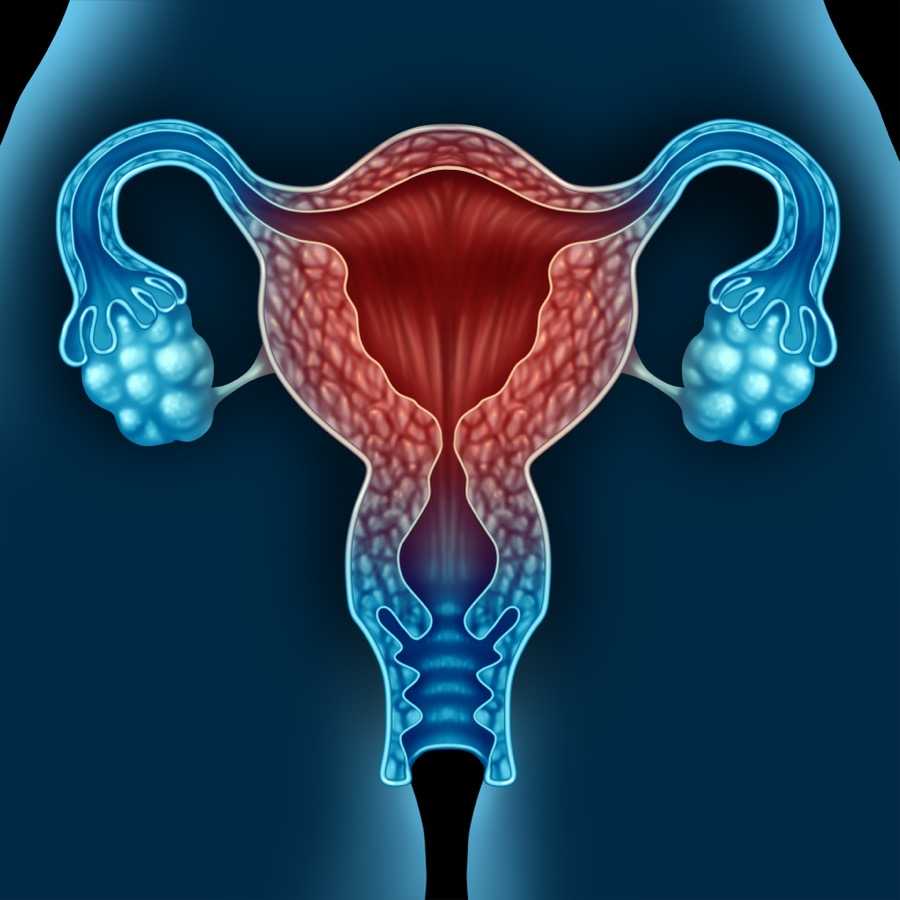
Irregular or painful periods
Cycle irregularity and period pain are among the most common reasons people try Chinese herbs.
Learn more →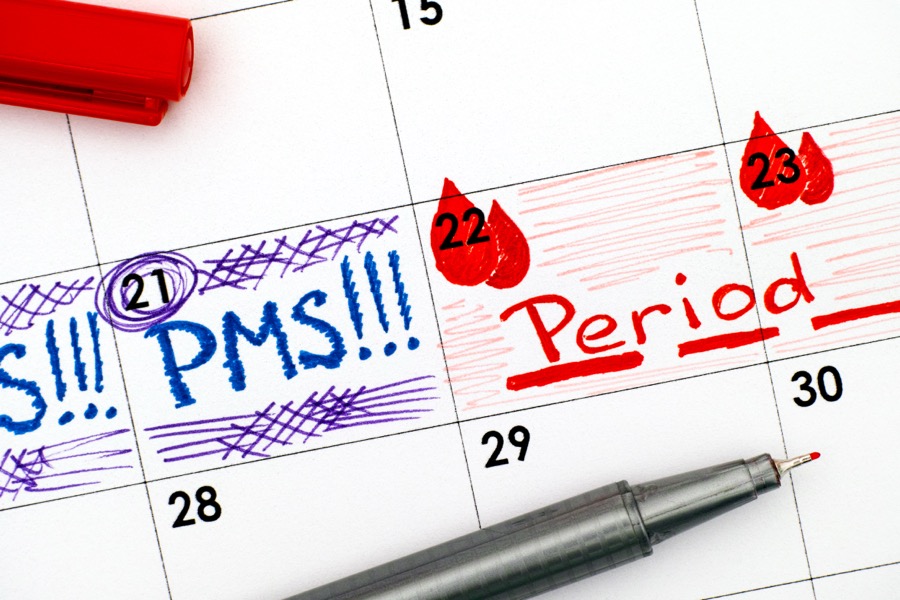
PMS
Bloating, breast tenderness, irritability and low mood before your period.
Learn more →
Menopausal symptoms
Hot flushes, night sweats and disturbed sleep around the menopause.
Learn more →
Poor sleep
Difficulty falling or staying asleep. Herbs may be used alongside good sleep habits.
Learn more →
Stress & low mood
Feeling tense, irritable or overwhelmed, which TCM often links to stagnant Liver Qi.
Learn more →
Fatigue & low energy
Long-term tiredness and slow recovery, which TCM links to deficient Qi.
Learn more →Your practitioner will assess whether herbal medicine is right for you at your consultation. Herbs are not a substitute for seeing your GP about new or worsening symptoms.
Frequently asked questions
What is the difference between granules and raw herbs?
Why can’t I take the same herbs as someone with the same symptoms?
Is Chinese herbal medicine safe, and will it interact with my medication?
How can I tell if a herbal extract is good quality?
Can I buy raw herbs and make them at home?
How do I find a qualified herbalist?
Still have a question? Ask our practitioners.
What our patients say on Google
Conditions we often help with
More herbal medicine treatments

Ready to try Customised Herbal Prescription?
Our experienced TCM practitioners are here to help. Book online in under two minutes and choose the time that suits you.
- Fully licensed practitioners
- Covered by private health insurance