
Upgrade Acupuncture
Upgrade Acupuncture is an extended acupuncture session in which your practitioner combines acupuncture with an additional technique, such as moxa, cupping, electro-acupuncture or facial acupuncture, chosen to suit you.
Book an appointment →Understanding Upgrade Acupuncture
- 01
Traditional Background
Why Combine Techniques?
Traditional Chinese Medicine has always used acupuncture alongside other therapies. The classical texts describe needles, moxibustion and other methods as complementary tools, each suited to different patterns: warmth for cold and deficiency, cupping for stagnation and tension, and so on.
Upgrade Acupuncture follows this approach. Rather than a set routine, your practitioner assesses you at each visit and chooses which technique to add to your acupuncture, so the session can be tailored to how you are feeling on the day.
Moxagentle warmth for cold or deficient patternsCuppingsuction for tight muscles and stagnationElectromild electrical stimulation through the needlesFacialfine needles to support the skinFigure 1. Techniques your practitioner may combine with acupuncture.
- 02
Modern Scientific Perspective
How Does Upgrade Acupuncture Work?
The core of every session is acupuncture. Fine needles stimulate nerves in the skin and muscle, which is thought to influence how the nervous system processes pain and stress. The added technique is chosen to complement this.
Assessment
by your practitionerAcupunctureFine needles at points chosen for your concerns.Added techniqueMoxa, cupping, electro-acupuncture or facial acupuncture where appropriate.Rest & reviewTime to relax, then a check on how you feel and plans for next time.Figure 2. What an Upgrade Acupuncture session typically involves.
The best research evidence for acupuncture is in chronic pain. A large individual patient data meta-analysis found that acupuncture performed better than both sham and no acupuncture for chronic pain, although the difference compared with sham was modest[1]. Evidence for the individual add-on techniques is more limited and varies between them.
Acupuncture by trained practitioners is generally safe: a large UK survey of over 34,000 treatments by traditional acupuncturists reported no serious adverse events[2].
References
- Vickers AJ, Vertosick EA, Lewith G, et al. Acupuncture for chronic pain: update of an individual patient data meta-analysis. The Journal of Pain. 2018;19(5):455–474. doi.org/10.1016/j.jpain.2017.11.005
- MacPherson H, Thomas K, Walters S, Fitter M. The York acupuncture safety study: prospective survey of 34 000 treatments by traditional acupuncturists. BMJ. 2001;323(7311):486–487. doi.org/10.1136/bmj.323.7311.486
What you need to know
- 1Before your treatment
What to Prepare
If you have any medical reports, examination or test results, feel free to bring them with you. They can help us better understand your condition, but they are not necessary.
Please let your practitioner know if you are pregnant, take blood-thinning medication, bruise easily, have a pacemaker or other implanted device (relevant to electro-acupuncture), reduced skin sensation, or are sensitive to smoke.
- 2During your treatment
What to Expect
- Wear comfortable clothing and avoid coming very hungry or overly full.
- Your practitioner will check how you are and decide which technique to combine with your acupuncture.
- Fine needles are inserted at the chosen points. You may feel tingling, warmth or a dull ache.
- The added technique is then applied. Your practitioner will explain what to expect before they begin.
- Tell your practitioner at any time if anything feels uncomfortable.
- 3After your treatment
Aftercare
- Keep the treatment area clean and dry.
- Avoid vigorous exercise for 24 hours after the treatment.
- Keep hydrated.
If cupping is included, it usually leaves round marks that can take up to two weeks to fade. Your practitioner will give you any specific aftercare advice for the technique used.
Who Upgrade Acupuncture is for
Upgrade Acupuncture suits people who would like a longer, more tailored session. These are some of the common reasons our patients choose it.

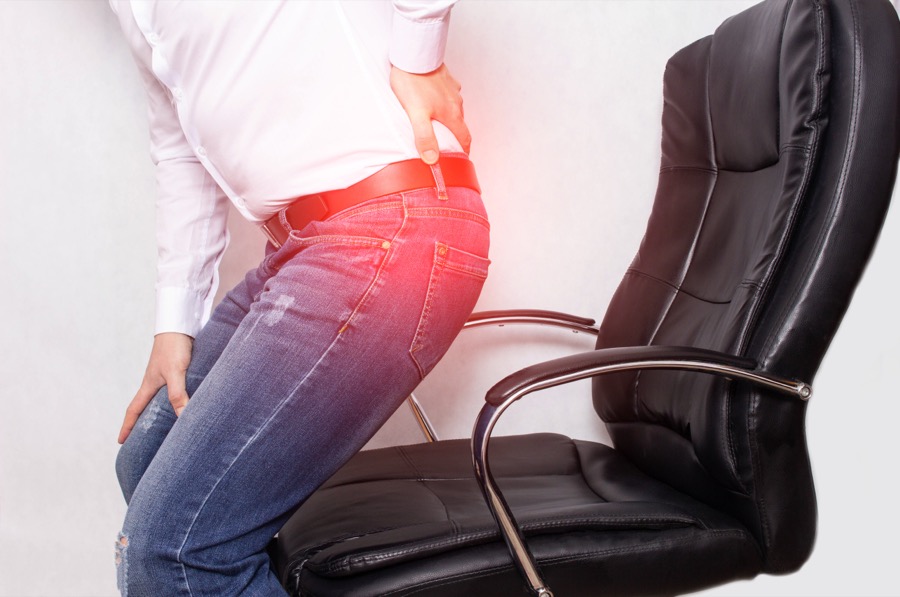
Muscle tension & back pain
Acupuncture with cupping or electro-acupuncture is often chosen for tight, aching muscles.
Learn more →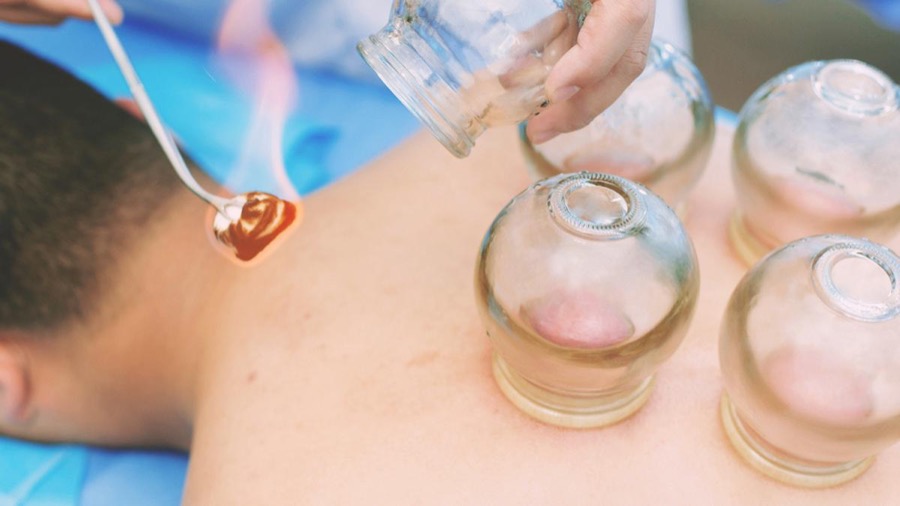
Neck & shoulder pain
Many patients choose a combined session for stiffness from desk work or stress.
Learn more →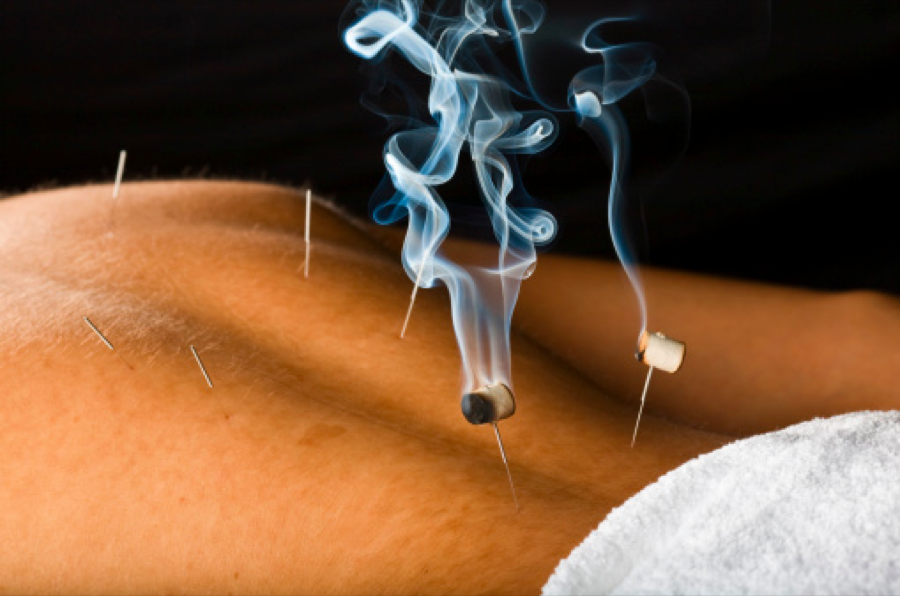
Always feeling cold
Acupuncture with moxa is traditionally used for people who feel the cold easily.
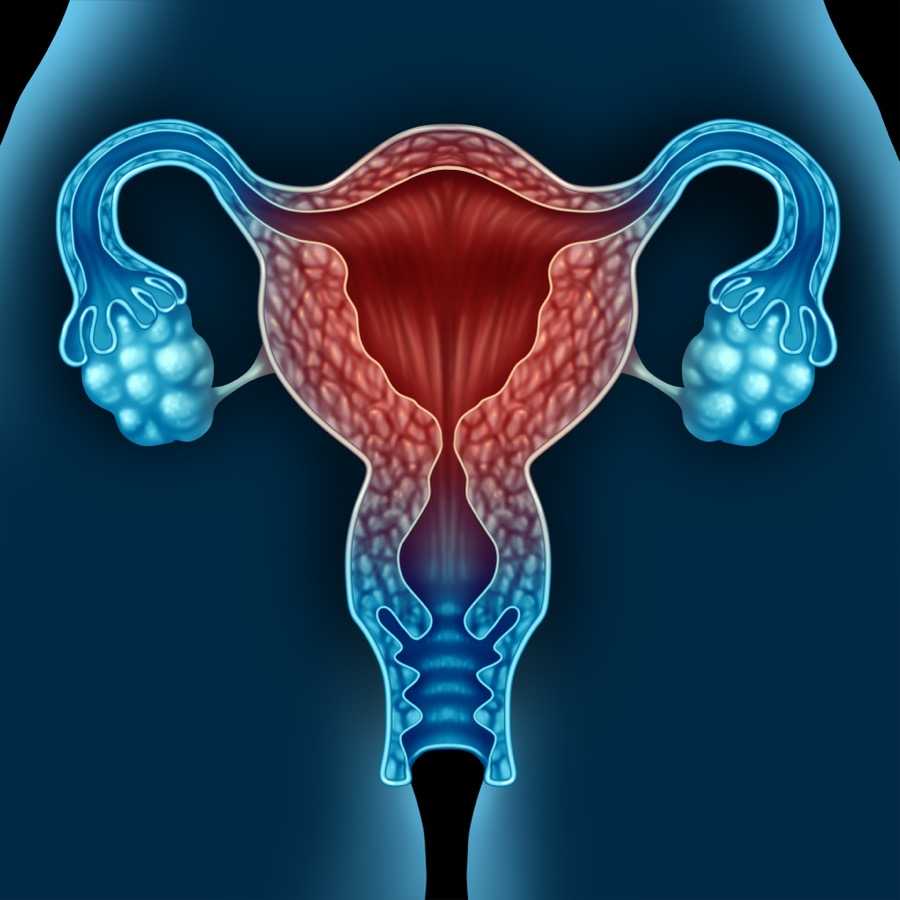
Painful periods
Moxa with acupuncture is often chosen for cramping period pain eased by warmth.
Learn more →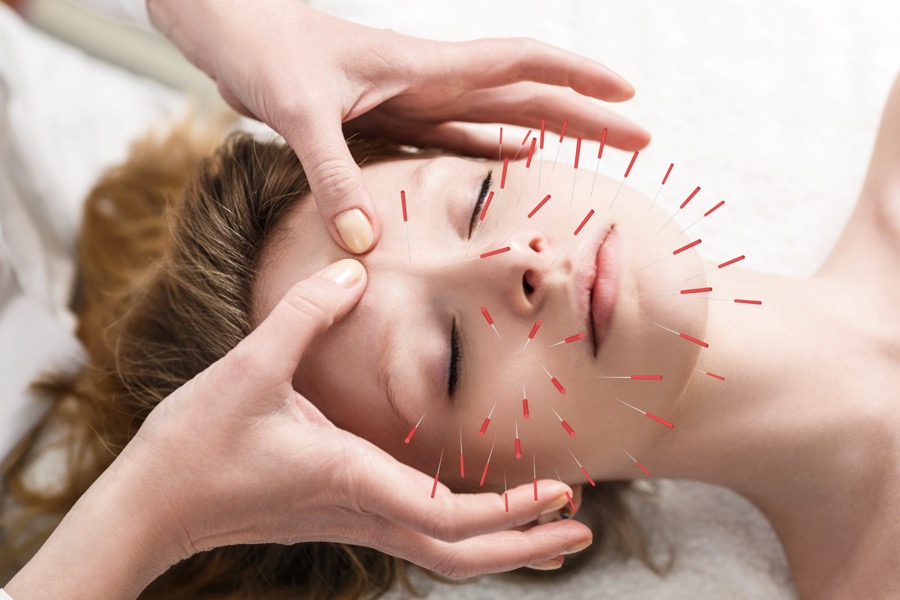
Skin & complexion
Adding facial acupuncture lets you look after your skin in the same visit.

Fatigue & low energy
A longer session is often chosen by people who feel run-down.
Learn more →
Stress & poor sleep
Many patients use the extra time to relax deeply.
Learn more →Your practitioner will assess which techniques are right for you at your consultation.
Frequently asked questions
What is the difference between Basic and Upgrade Acupuncture?
Can I choose which technique is added?
Does it hurt?
How often should I have treatment?
Still have a question? Ask our practitioners.
What our patients say on Google
Conditions we often help with

More acupuncture treatments
Ready to try Upgrade Acupuncture?
Our experienced TCM practitioners are here to help. Book online in under two minutes and choose the time that suits you.
- Fully licensed practitioners
- Covered by private health insurance