
Moxa & Acupuncture
Moxibustion — or moxa — is a traditional Chinese warming therapy that uses dried mugwort ("Ai Cao") gently warmed over specific acupuncture points. At AcuPro Clinic Abu Dhabi it is usually combined with acupuncture: once the fine needles are in place, soothing heat is applied to encourage the flow of qi and blood, warm the channels and support the body's natural balance.
Book an appointment →Understanding Moxa & Acupuncture
The gentle, comforting warmth makes it a popular choice for aches and stiffness, sluggish circulation, digestive complaints and women's health.
- 01
Traditional Background
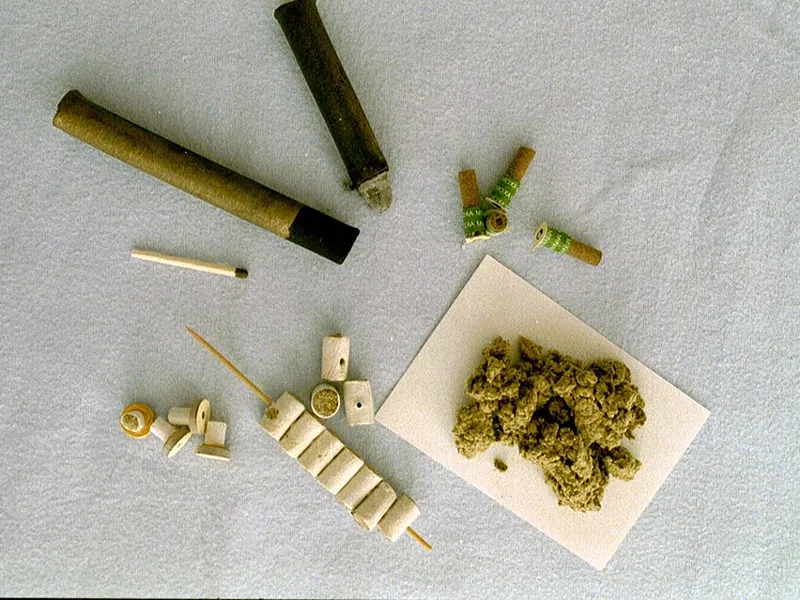
Traditional moxa: dried mugwort wool, sticks and conesPhoto: Markgran, Wikimedia Commons, CC BY-SA 3.0 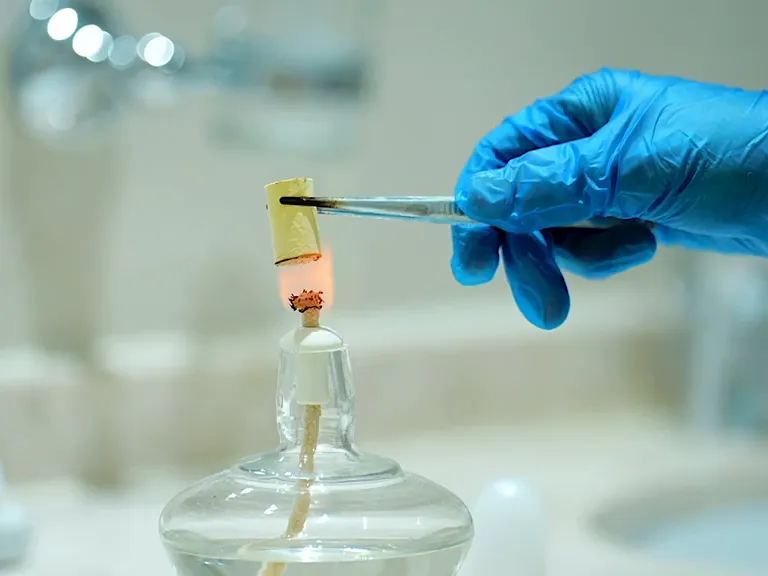
Lighting a moxa cone in our clinic How Did Moxibustion Develop?
Moxibustion is one of the oldest therapies in Traditional Chinese Medicine. It uses dried, aged mugwort (Artemisia argyi, known as “Ai Ye”), which is rolled into sticks or cones and burned close to the skin over specific acupoints.
The classical text Huangdi Neijing (Lingshu) records that “where the needle cannot reach, moxibustion is appropriate”, and the two have been used together for over two thousand years. In TCM theory, moxa warms the channels, dispels cold and damp, and promotes the smooth flow of Qi and Blood, which is why it is traditionally chosen for cold, deficient or long-standing conditions.
Warmsthe channels and acupointsDispelscold and dampMovesQi and BloodSupportsthe body’s Yang energyFigure 1. The four traditional actions of moxibustion in TCM theory.
- 02
Modern Scientific Perspective
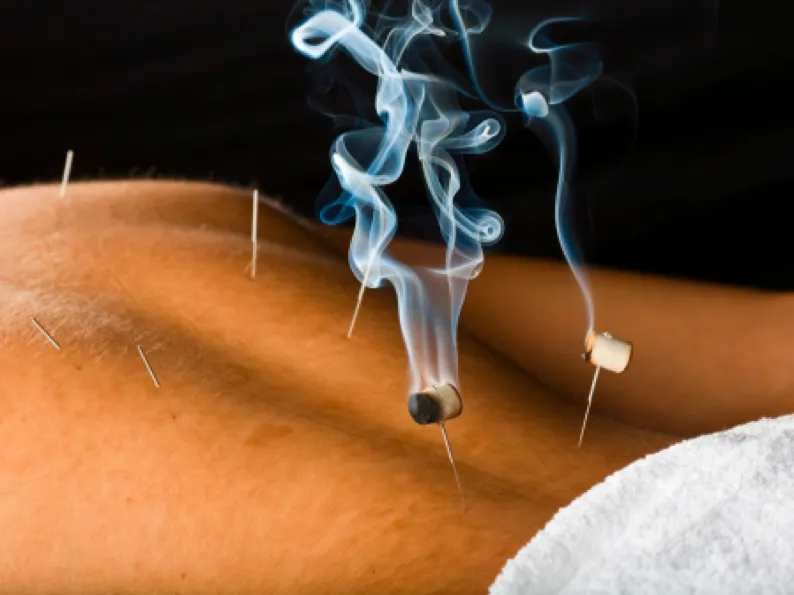
Warm needle moxibustion: moxa burns on the needle handle 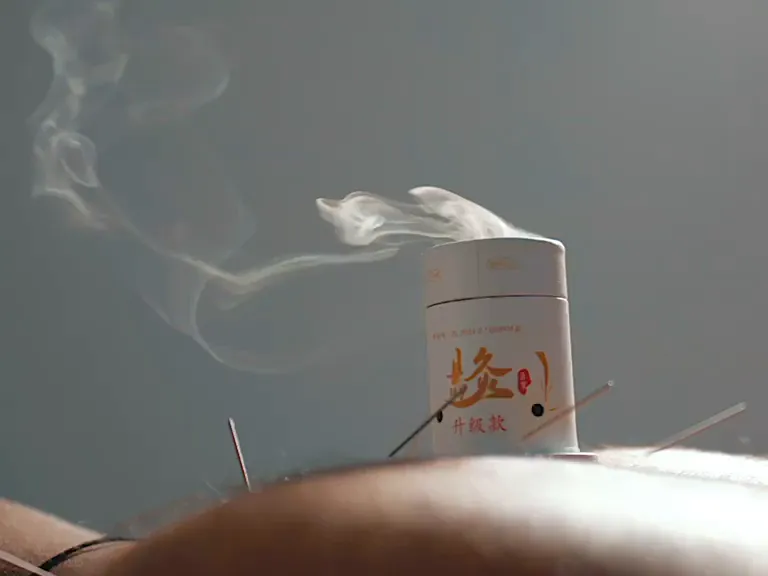
Moxa cup giving steady, controlled warmth over the acupoints How Does Moxibustion Work?
Modern research groups the effects of moxibustion into three main mechanisms that act together at the acupoint[1]:
Burning moxa
near the acupointThermal effectLocal warmth stimulates heat-sensitive receptors in the skin and increases local blood flow.Radiation effectBurning moxa emits infrared radiation, which can penetrate beneath the skin surface.Pharmacological effectCompounds from mugwort and its combustion products may have biological activity.Figure 2. The three mechanisms of moxibustion described in the research literature[1].
Clinical research is still developing. One of the best-known examples is a randomised controlled trial of moxibustion to turn breech babies, published in JAMA[2]. A later Cochrane review concluded that moxibustion may reduce the need for other interventions, while noting that more high-quality trials are needed[3].
Babies in head-down (cephalic) position at birthFigure 3. Cardini & Weixin (1998), randomised controlled trial, 260 women with breech presentation (98/130 vs 81/130)[2].
References
- Deng H, Shen X. The mechanism of moxibustion: ancient theory and modern research. Evidence-Based Complementary and Alternative Medicine. 2013;2013:379291. doi.org/10.1155/2013/379291
- Cardini F, Weixin H. Moxibustion for correction of breech presentation: a randomized controlled trial. JAMA. 1998;280(18):1580–1584. doi.org/10.1001/jama.280.18.1580
- Coyle ME, Smith CA, Peat B. Cephalic version by moxibustion for breech presentation. Cochrane Database of Systematic Reviews. 2012;(5):CD003928. doi.org/10.1002/14651858.CD003928.pub3
What you need to know
- 1Before your treatment
What to Prepare
If you have any medical reports, examination or test results, feel free to bring them with you. They can help us better understand your condition, but they are not necessary.
Please let your practitioner know if you are pregnant, have reduced sensation in your skin, or are sensitive to smoke or strong smells.
- 2During your treatment
What to Expect
- Avoid coming very hungry or overly full, and wear comfortable clothing.
- Your practitioner first inserts fine needles at the chosen acupoints.
- A lit moxa stick is then held or placed near the acupoints, giving steady warmth for around 30 minutes.
- You should feel a gentle, spreading warmth, never burning. Tell your practitioner at any time if it feels too hot and the distance will be adjusted.
- Moxa has a distinctive herbal smell, which may linger briefly on clothes and hair.
- 3After your treatment
Aftercare
- Keep the treatment area clean and dry.
- Avoid vigorous exercise for 24 hours after the treatment.
- Keep hydrated.
Some people feel warm and deeply relaxed afterwards, similar to just waking up from sleep. This is usually temporary and simply reflects a relaxed state.
Conditions moxa may help with
Moxibustion is especially suited to “cold” and “deficient” patterns in TCM: problems that tend to feel better with warmth. These are some of the most common reasons our patients choose moxa + acupuncture.
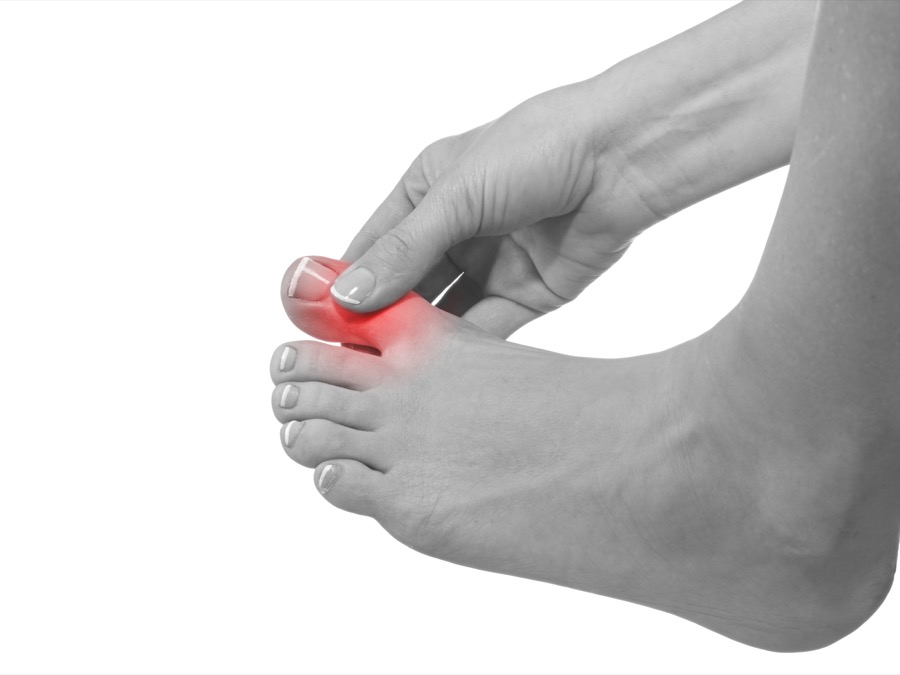
Joint pain & rheumatic aches
Aching, stiff joints that feel worse in cold or damp weather. The warmth of moxa is traditionally used to dispel cold and damp from the joints.
Learn more →
Fertility & natural conception
For “cold womb” patterns, such as a cold lower abdomen, cold hands and feet or irregular cycles, moxa is used to warm the uterus and support natural conception.
Learn more →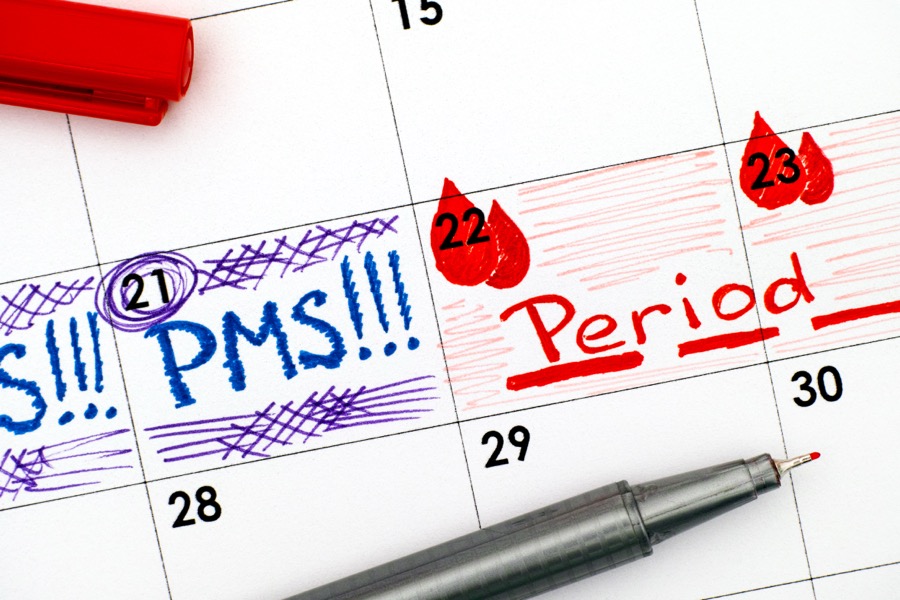
PMS
Bloating, breast tenderness, mood swings and low energy in the days before your period.
Learn more →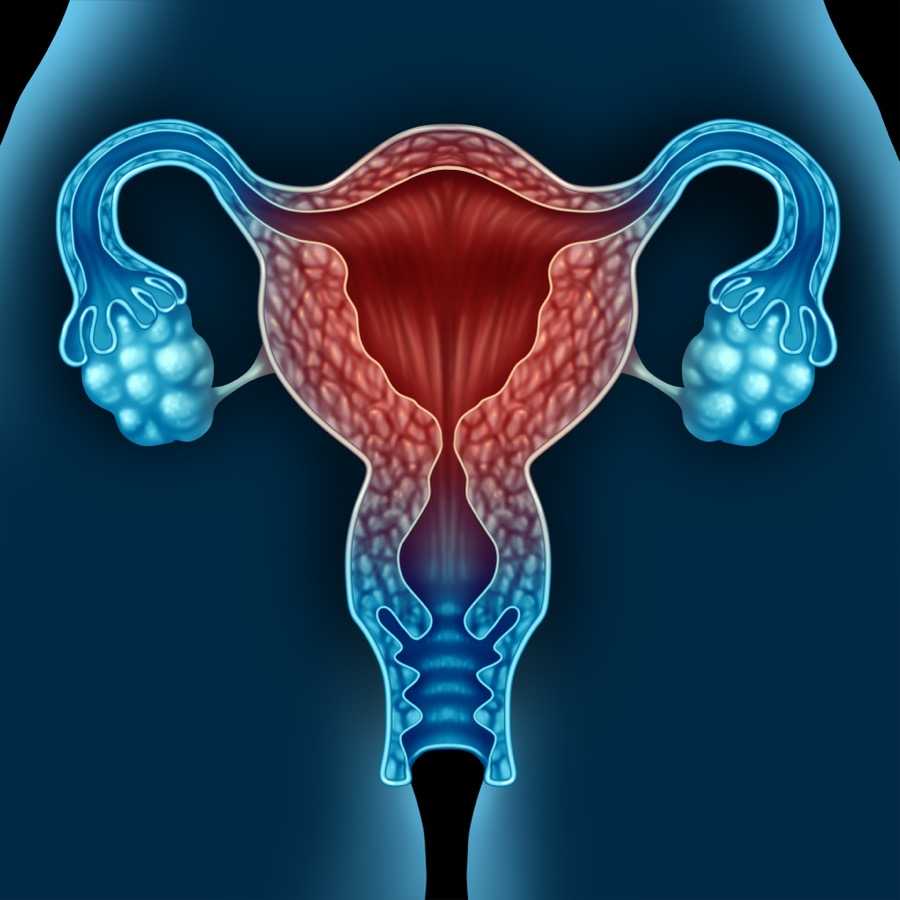
Painful periods
Cramping period pain, especially when warmth such as a hot-water bottle eases it, a classic sign that moxa may suit you.
Learn more →
Fatigue & low energy
Long-term tiredness, weakness and slow recovery, which TCM links to deficient Qi and Yang.
Learn more →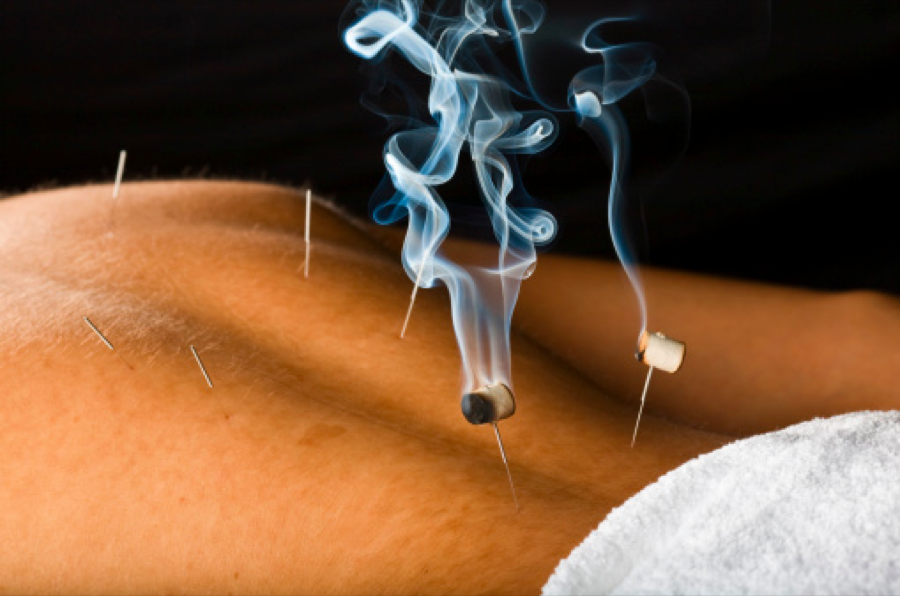
Always feeling cold
Cold hands and feet all year round, or feeling the cold more than others. Moxa’s warmth directly supports the body’s Yang energy.
Weak digestion
Bloating, loose stools or a poor appetite, especially after cold or raw food.
Learn more →
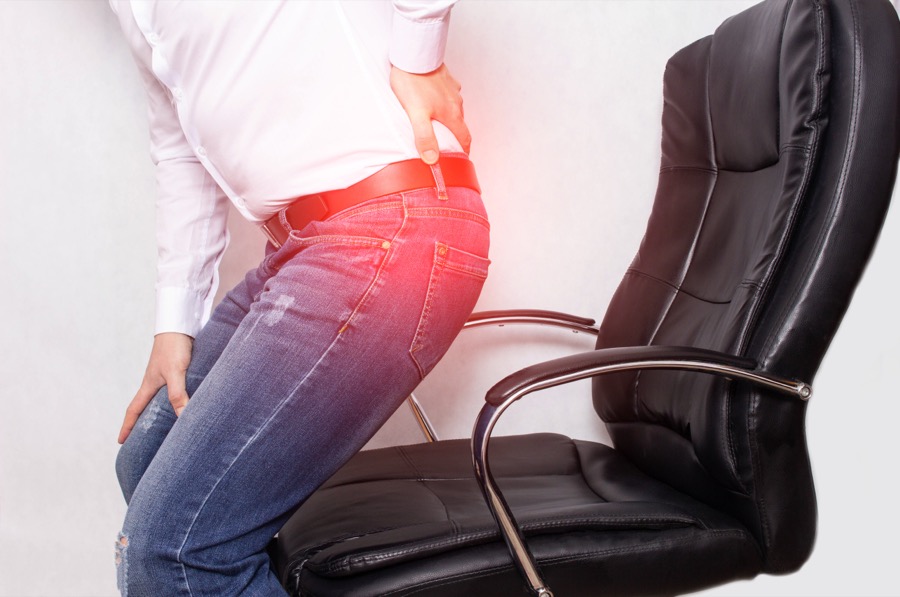
Chronic lower back pain
A dull, long-standing lower back ache that feels better with warmth and rest.
Learn more →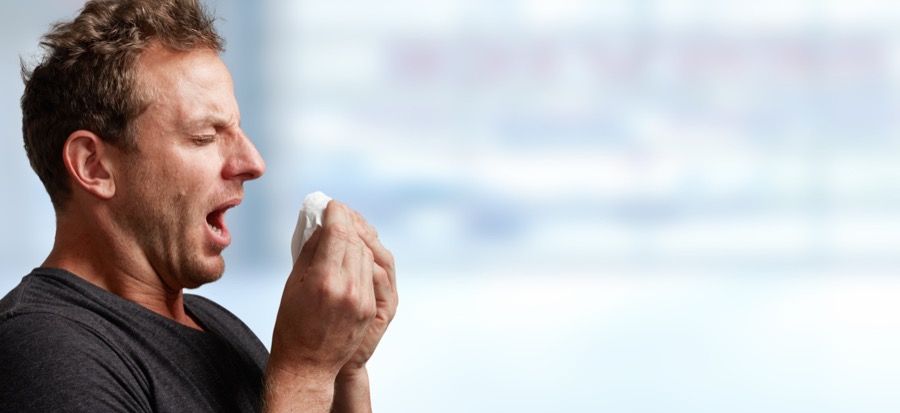
Frequent colds & low immunity
Catching colds easily or taking a long time to recover. Moxa is traditionally used to strengthen the body’s defensive Qi.
Learn more →Your practitioner will assess whether moxa is right for you at your consultation.
Frequently asked questions
Does moxa burn the skin?
Should there be any marks or burns?
Does the acupuncture part hurt?
How often should I have treatment?
Still have a question? Ask our practitioners.
What our patients say on Google
Conditions we often help with
More acupuncture treatments
Ready to try Moxa & Acupuncture?
Our experienced TCM practitioners are here to help. Book online in under two minutes and choose the time that suits you.
- Fully licensed practitioners
- Covered by private health insurance