
Thai Massage
Traditional Thai massage combines rhythmic palm and thumb pressure with gentle, yoga-like assisted stretches to ease muscle tension, improve flexibility and leave you feeling relaxed and energised.
Book an appointment →Understanding Thai Massage
- 01
Traditional Background
How Did Thai Massage Develop?
Thai massage, known in Thailand as nuad thai or nuad boran (“ancient massage”), is part of traditional Thai medicine. Its origins are usually traced to influences from Indian Ayurvedic and Buddhist healing traditions, and to Chinese medicine, blended with local Thai folk practice over many centuries. By tradition, its founder is said to be Jivaka Kumar Bhaccha, a physician of the Buddha’s time. Wat Pho temple in Bangkok became a famous centre for teaching it, and in 2019 Nuad Thai was added to UNESCO’s list of the Intangible Cultural Heritage of Humanity.
Traditional Thai theory describes energy lines called sen running through the body. The practitioner uses palms, thumbs, elbows, knees and feet to apply pressure along these lines, and moves the body through assisted stretches, aiming to release blockages and restore balance.
Pressurealong the sen energy linesStretchingyoga-like assisted stretchesRhythmslow, rocking movementsBalanceof body and mind in Thai traditionFigure 1. The core elements of traditional Thai massage.
- 02
Modern Scientific Perspective
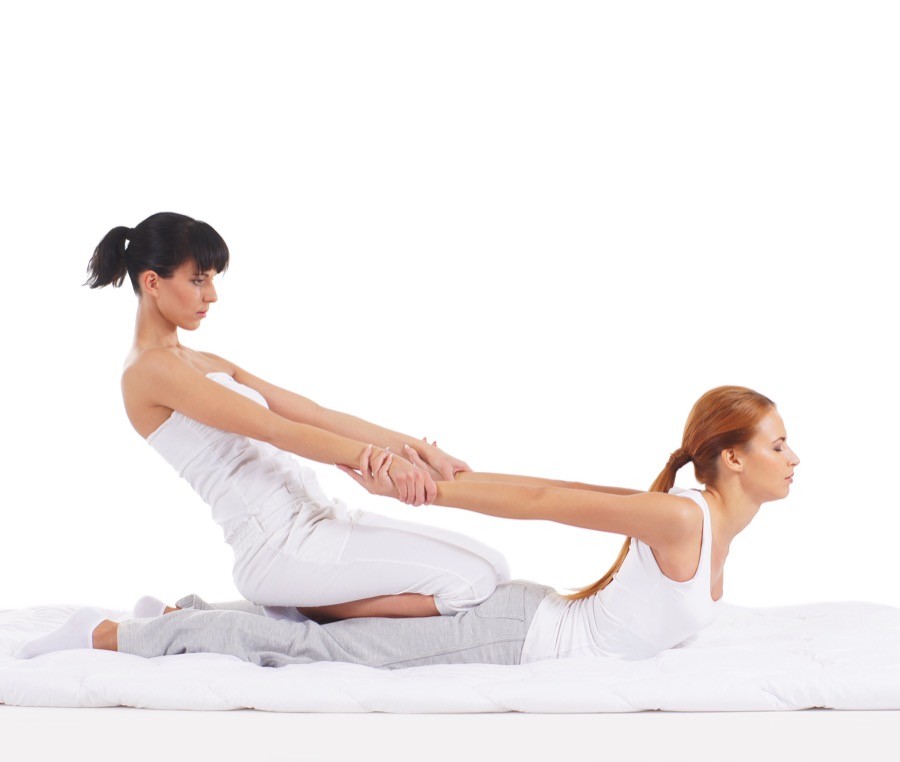
Assisted stretching is a hallmark of traditional Thai massage How Does Thai Massage Work?
Thai massage combines deep pressure with passive stretching, so it may act on both muscle tension and flexibility:
Thai massage
pressure and assisted stretchingMuscle tensionSustained pressure may ease tight muscles and sensitive trigger points.FlexibilityPassive stretches move the joints and muscles through a wider range of motion.Stress responseIn one trial, a 30-minute session was linked to changes in heart rate variability and lower reported anxiety and muscle tension[1].Figure 2. How Thai massage may have its effects.
A systematic review of six controlled studies found that traditional Thai massage was associated with reductions in chronic pain, along with improvements in disability, perceived muscle tension, flexibility and anxiety. The authors noted that more research is needed, particularly to compare it with other treatments over the longer term[2].
References
- Buttagat V, Eungpinichpong W, Chatchawan U, Kharmwan S. The immediate effects of traditional Thai massage on heart rate variability and stress-related parameters in patients with back pain associated with myofascial trigger points. Journal of Bodywork and Movement Therapies. 2011;15(1):15–23. doi.org/10.1016/j.jbmt.2009.06.005
- Keeratitanont K, Jensen MP, Chatchawan U, Auvichayapat P. The efficacy of traditional Thai massage for the treatment of chronic pain: a systematic review. Complementary Therapies in Clinical Practice. 2015;21(1):26–32. doi.org/10.1016/j.ctcp.2015.01.006
What you need to know
- 1Before your treatment
What to Prepare
Wear loose, comfortable clothing that lets you move and stretch freely.
Please let your practitioner know if you are pregnant, or have high blood pressure, osteoporosis, a recent injury or surgery, joint problems, a blood-clotting disorder or take blood-thinning medication, so the treatment can be adapted.
- 2During your treatment
What to Expect
- Avoid coming very hungry or overly full.
- Your practitioner applies rhythmic pressure with the palms and thumbs, and moves your arms, legs and back through gentle assisted stretches.
- Stretches should feel like a comfortable stretch, never painful. Tell your practitioner at any time if you would like less pressure or a gentler stretch.
- 3After your treatment
Aftercare
- Keep hydrated.
- Avoid vigorous exercise for the rest of the day.
- Take your time getting up, as some people feel light-headed after deep relaxation.
Mild muscle tenderness for a day or so is normal and usually settles on its own.
Who Thai massage is for
Thai massage suits people who enjoy a firm, active massage with plenty of stretching. These are some of the most common reasons people choose it.
Stiffness & low flexibility
Feeling tight and inflexible from sitting all day or from training.
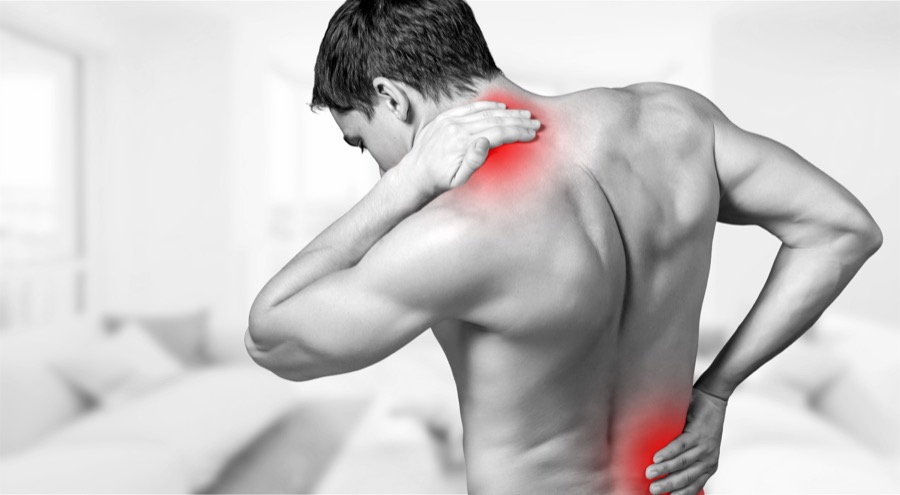
Back pain
Thai massage has been studied for chronic back pain, with reductions in pain reported in small trials.
Learn more →
Neck & shoulder tension
Tight neck and shoulders from desk work or stress.
Learn more →
Stress & anxiety
Many people choose Thai massage to switch off and feel calmer.
Learn more →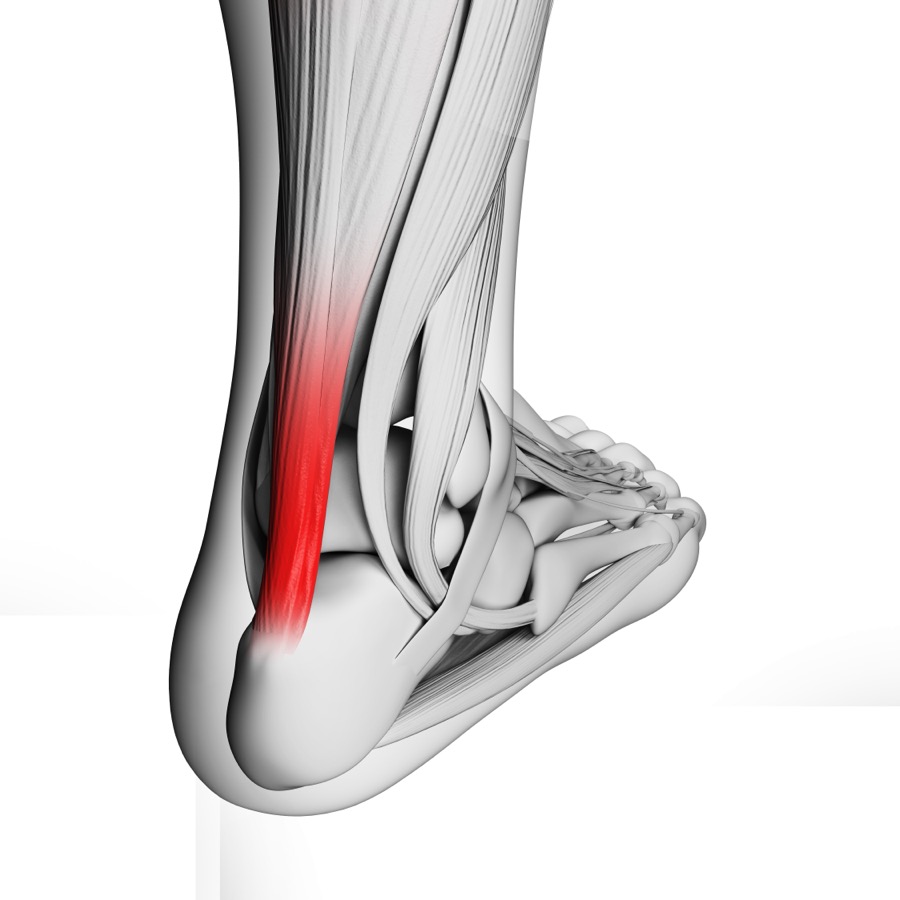
Sports recovery
Active people often use the stretches to help tired muscles feel looser.

Low energy
The rhythmic, active style leaves many people feeling refreshed and energised.
Learn more →Your practitioner will assess whether Thai massage is right for you at your appointment.
Frequently asked questions
What should I wear?
Is Thai massage painful?
How is Thai massage different from other massage?
Is Thai massage suitable for everyone?
Still have a question? Ask our practitioners.
What our patients say on Google
Conditions we often help with
More massage treatments

Ready to try Thai Massage?
Our experienced TCM practitioners are here to help. Book online in under two minutes and choose the time that suits you.
- Fully licensed practitioners
- Covered by private health insurance