

Basic Acupuncture
Fine, sterile needles placed at selected points to relieve pain, ease stress and support your body's natural balance — delivered by fully licensed TCM practitioners.
Book an appointment →Understanding Basic Acupuncture
- 01
Traditional Background
How Was Acupuncture Developed?
Acupuncture has been used in Traditional Chinese Medicine (TCM) for thousands of years. Traditionally, practitioners understood health through the balance and flow of Qi and Blood throughout the body. Specific points were identified through generations of clinical observation and experience, and acupuncture developed as a way to restore balance and support the body's natural healing processes.
Qithe vital energy that flows through the bodyBloodnourishes the organs and tissuesPointsmapped through generations of clinical experienceBalancerestored to support natural healingFigure 1. The key ideas behind acupuncture in traditional TCM theory.
- 02
Modern Scientific Perspective
How Does Acupuncture Work?
From a modern scientific perspective, acupuncture is thought to stimulate nerves, muscles and connective tissues, triggering physiological responses in the body[1][2]. Research suggests that acupuncture may influence the nervous system, pain-processing pathways, blood flow and the release of endogenous chemicals such as endorphins[1]. Modern research continues to investigate how these mechanisms may contribute to its clinical effects.
Fine needle
at the acupointNerve signalsSensory nerves send signals to the spinal cord and brain, where pain is processed.Natural chemicalsThe body may release its own pain-modulating chemicals, such as endorphins.Connective tissueThe needle gently engages the surrounding tissue, which may send local mechanical signals.Figure 2. Mechanisms of acupuncture described in the research literature[1][2].
A large individual patient data meta-analysis found that acupuncture was associated with greater improvement in several chronic pain conditions than either sham or no acupuncture, although the difference from sham was modest[3]. A Cochrane review also found moderate-quality evidence that adding acupuncture to usual care may reduce how often episodic migraines occur[4].
References
- Zhao ZQ. Neural mechanism underlying acupuncture analgesia. Progress in Neurobiology. 2008;85(4):355–375. doi.org/10.1016/j.pneurobio.2008.05.004
- Langevin HM, Churchill DL, Cipolla MJ. Mechanical signaling through connective tissue: a mechanism for the therapeutic effect of acupuncture. The FASEB Journal. 2001;15(12):2275–2282. doi.org/10.1096/fj.01-0015hyp
- Vickers AJ, Vertosick EA, Lewith G, et al. Acupuncture for chronic pain: update of an individual patient data meta-analysis. The Journal of Pain. 2018;19(5):455–474. doi.org/10.1016/j.jpain.2017.11.005
- Linde K, Allais G, Brinkhaus B, et al. Acupuncture for the prevention of episodic migraine. Cochrane Database of Systematic Reviews. 2016;(6):CD001218. doi.org/10.1002/14651858.CD001218.pub3
What you need to know
- 1Before your treatment
What to Prepare
If you have any medical reports, examination or test results, feel free to bring them with you. They can help us better understand your condition, but they are not necessary. There is no need to arrange or obtain any reports before your appointment.
- 2During your treatment
What to Expect
- Avoid coming very hungry or overly full, as either may make you feel uncomfortable, nauseous or light-headed during treatment.
- You can eat normally before your appointment — just avoid having a very large meal immediately beforehand.
- Acupuncture points may be located around the knees, lower abdomen and upper abdomen, so comfortable clothing is recommended.
- 3After your treatment
Aftercare
There are no specific aftercare restrictions for most people. You can return to your normal daily activities, including work, exercise, showering and swimming.
Some people may feel “weak” or deeply relaxed afterwards, similar to the feeling of just waking up from sleep. This is usually temporary and simply reflects a relaxed state.
Conditions acupuncture may help with
Acupuncture is one of our most popular treatments and is used for a wide range of concerns. These are some of the most common reasons our patients choose it.
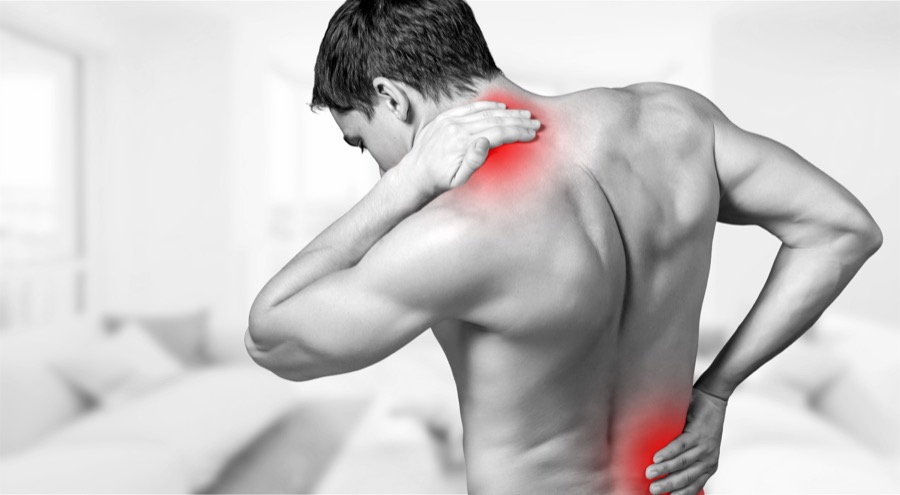
Back pain
Long-standing or recurring lower back pain is one of the most common reasons people try acupuncture.
Learn more →Neck & shoulder pain
Stiffness and tension in the neck and shoulders, often linked to posture, desk work or stress.
Learn more →
Headaches & migraines
Many patients choose acupuncture alongside their usual care to help reduce how often headaches occur.
Learn more →
Joint pain & arthritis
Aching, stiff joints, such as knee pain from osteoarthritis, where acupuncture is often used to help ease discomfort.
Learn more →
Sciatica
Pain radiating from the lower back down the leg, for which acupuncture is often used as part of a wider care plan.
Learn more →Stress & anxiety
Feeling tense, on edge or overwhelmed. Many people find acupuncture sessions deeply relaxing.
Learn more →
Sleep problems
Difficulty falling or staying asleep, which TCM often links to stress and imbalance.
Learn more →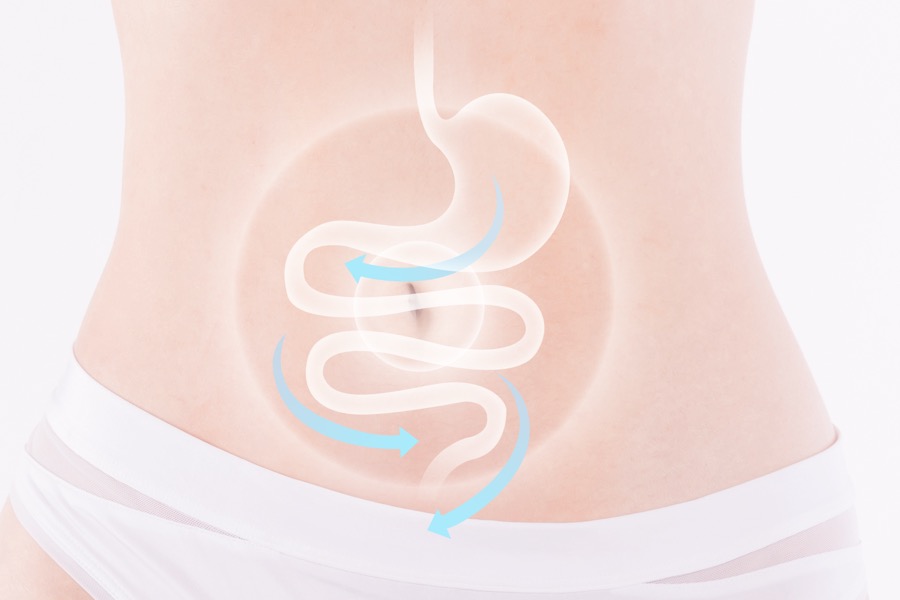
Digestive discomfort
Bloating, irregular bowel habits or a sensitive stomach, including IBS-type symptoms.
Learn more →
Fatigue & low energy
Long-term tiredness and slow recovery, which TCM links to deficient Qi.
Learn more →Your practitioner will assess whether acupuncture is right for you at your consultation. Please tell them if you are pregnant, take blood-thinning medication or have a pacemaker or bleeding disorder.
Frequently asked questions
Does acupuncture hurt?
Is bruising normal? Does it mean anything?
Is acupuncture dangerous?
How often should I have treatment, and how long is a full course?
Still have a question? Ask our practitioners.
What our patients say on Google
Conditions we often help with
More acupuncture treatments



Ready to try Basic Acupuncture?
Our experienced TCM practitioners are here to help. Book online in under two minutes and choose the time that suits you.
- Fully licensed practitioners
- Covered by private health insurance