
Cupping+Acupuncture
Acupuncture combined with cupping: glass cups create gentle suction over tight or tired muscles, traditionally used to move stagnant Qi and Blood, ease muscle tension and complement the effect of acupuncture.
Book an appointment →Understanding Cupping+Acupuncture
- 01
Traditional Background
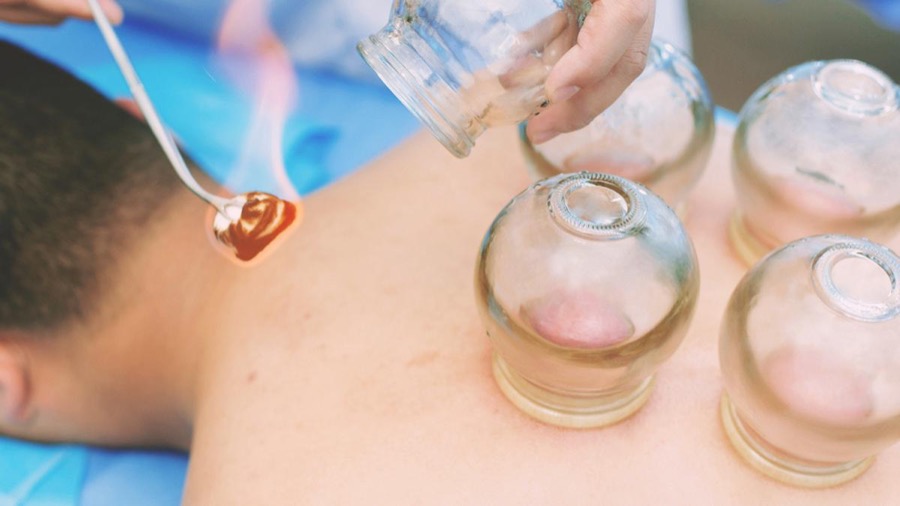
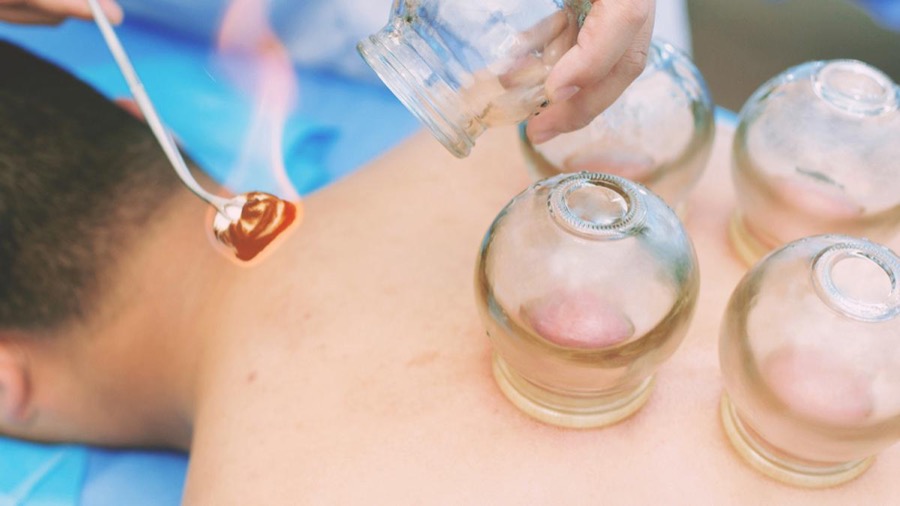
Fire cupping with glass cups on the back How Did Cupping Develop?
Cupping is an ancient technique found in many traditional medical systems, and it has been part of Traditional Chinese Medicine for centuries, originally using animal horns and later bamboo and glass cups.
In our clinic, a naked flame is briefly placed inside a round glass cup to create a vacuum. The flame is removed and the cup is placed quickly onto the treatment area before the vacuum is lost, so the skin and muscle are drawn gently upwards into the cup. Cups are usually left in place for up to 20 minutes. Where larger areas need treatment, we use sliding cupping: a thin layer of massage oil is spread over the skin and the cups are glided along the muscles being treated.
In TCM theory, pain and stiffness often arise where Qi and Blood have become stagnant. Cupping is used to help them flow more freely through the affected area, which is why it is so often combined with acupuncture.
Movesstagnant Qi and BloodReleasestight, tense musclesClearswind, cold and damp from the channelsSupportsthe effect of acupunctureFigure 1. The four traditional actions of cupping in TCM theory.
- 02
Modern Scientific Perspective
How Does Cupping Work?
Researchers have proposed several ways in which the suction of cupping may produce its effects, although none has yet been fully confirmed[1]:
Suction from the cup
over the treatment areaLocal circulationNegative pressure draws blood towards the surface and may increase local blood flow; this is what causes the round marks.Soft-tissue stretchLifting the skin and fascia gently stretches the underlying muscle, which may ease tension.Pain modulationStimulation of the skin may influence how pain signals are processed by the nervous system.Figure 2. Mechanisms of cupping proposed in the research literature[1].
Clinical evidence is still limited. A large review of randomised trials found that cupping may be beneficial for some conditions, including some types of pain, when combined with other treatments such as acupuncture, but most of the included studies were small and of low methodological quality[2]. An earlier systematic review of cupping for pain reached a similar conclusion and called for more rigorous trials[3].
We therefore present cupping as a complementary therapy to support comfort and relaxation, not as a replacement for medical diagnosis or care.
References
- Al-Bedah AMN, Elsubai IS, Qureshi NA, et al. The medical perspective of cupping therapy: effects and mechanisms of action. Journal of Traditional and Complementary Medicine. 2019;9(2):90–97. doi.org/10.1016/j.jtcme.2018.03.003
- Cao H, Li X, Liu J. An updated review of the efficacy of cupping therapy. PLoS ONE. 2012;7(2):e31793. doi.org/10.1371/journal.pone.0031793
- Kim JI, Lee MS, Lee DH, Boddy K, Ernst E. Cupping for treating pain: a systematic review. Evidence-Based Complementary and Alternative Medicine. 2011;2011:467014. doi.org/10.1093/ecam/nep035
What you need to know
- 1Before your treatment
What to Prepare
If you have any medical reports, examination or test results, feel free to bring them with you. They can help us better understand your condition, but they are not necessary.
Please let your practitioner know if you are pregnant, take blood-thinning medication, bruise easily, or have any skin conditions, broken skin or varicose veins in the area to be treated.
- 2During your treatment
What to Expect
- Wear comfortable clothing and avoid coming very hungry or overly full.
- Your practitioner inserts fine acupuncture needles at the chosen points.
- A flame is briefly placed inside each glass cup to create a vacuum and then removed; the cup is placed onto your skin, which is drawn gently upwards.
- Cups are usually left in place for up to 20 minutes. For larger areas, oil is applied and the cups are slid along the muscles.
- You should feel a firm pulling sensation, not pain. If the suction is uncomfortable, tell your practitioner and they will use a smaller cup or reduce the suction.
- 3After your treatment
Aftercare
- Cupping usually leaves round marks that look like bruises. They can take up to two weeks to fade, depending on how dark they are.
- Keep the cupped area covered and avoid getting it wet for at least 24 hours.
- Avoid baths and swimming for 24 hours.
- Keep hydrated and avoid vigorous exercise for the rest of the day.
Many people feel loose and relaxed afterwards. If you notice anything unusual, such as blistering, let us know.
Conditions cupping may help with
Cupping is most often chosen for muscular tension and aches, especially where muscles feel tight, knotted or heavy. These are some of the most common reasons our patients choose cupping + acupuncture.
Neck & shoulder tension
Stiff, tight neck and shoulders from desk work, stress or poor posture are one of the most common reasons people try cupping.
Learn more →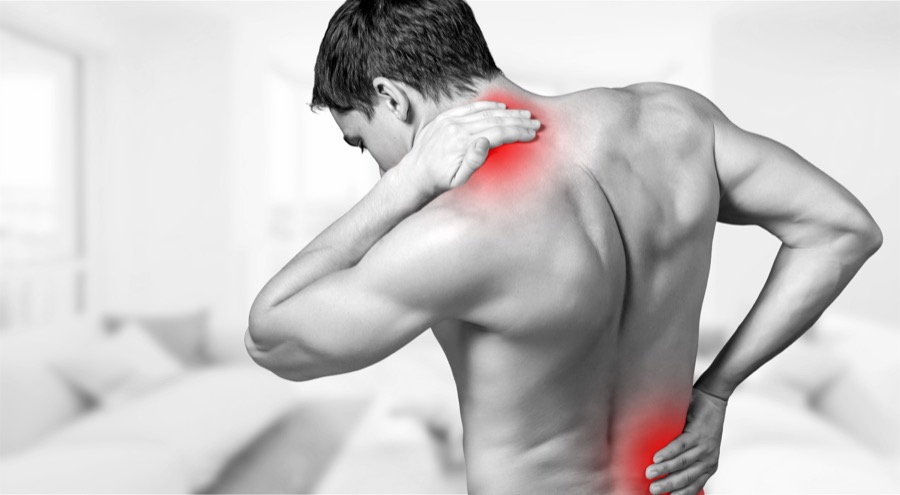
Lower back pain
Many patients choose cupping for a tight, aching lower back, often combined with acupuncture.
Learn more →Muscle aches & sports recovery
Sliding cupping is often used over large muscle groups that feel heavy or sore after training.
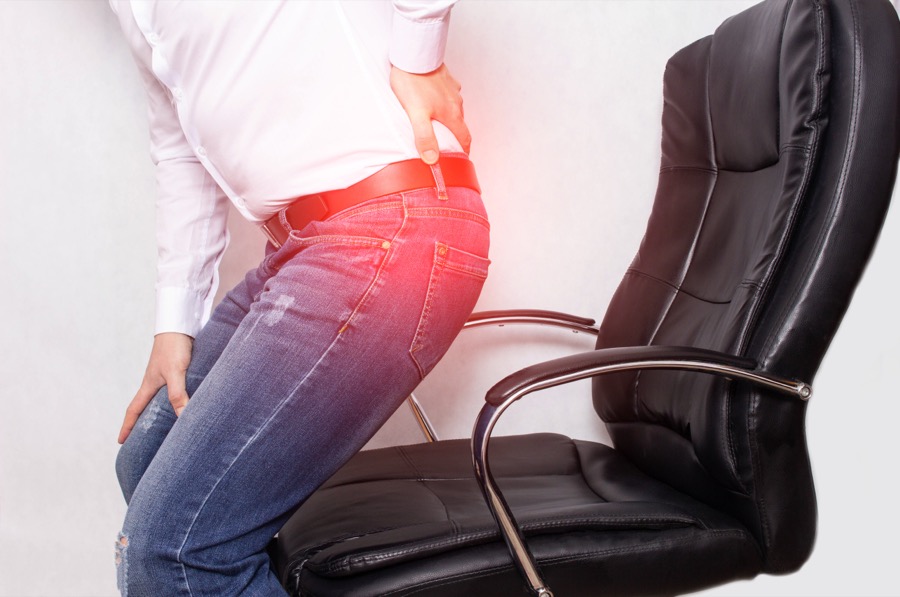
Sciatica-type pain
Cupping may be used over tight buttock and leg muscles as part of a wider acupuncture treatment.
Learn more →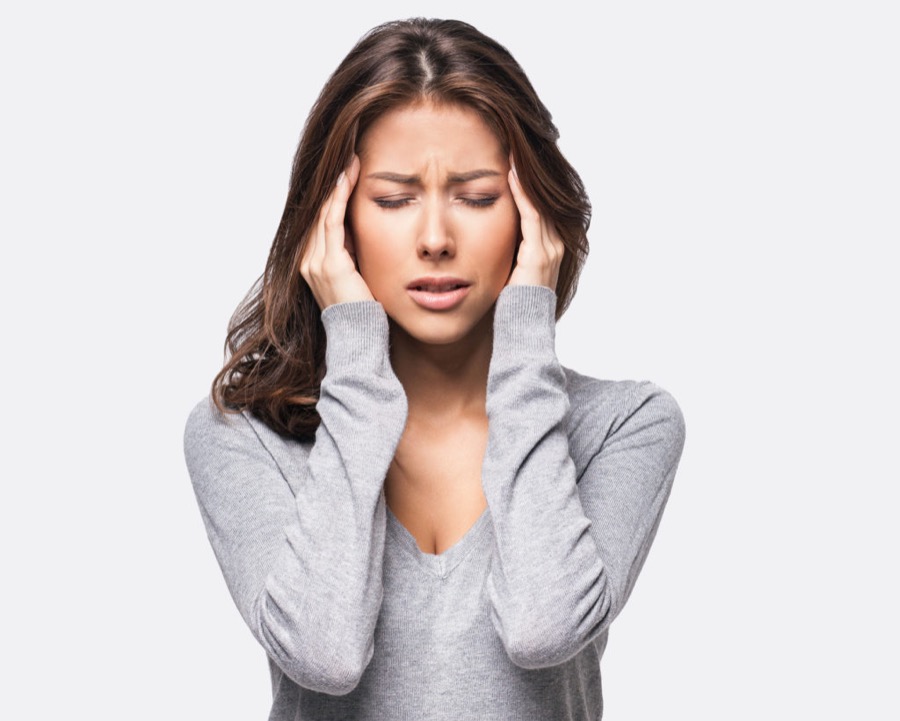
Tension headaches
Headaches linked to tight neck and upper back muscles are often treated with cupping alongside acupuncture.
Learn more →
Fatigue & low energy
Some patients find cupping deeply relaxing and choose it as part of treatment for feeling run-down.
Learn more →
Stress & tension
Many people use cupping to unwind physically when stress shows up as tight, tense muscles.
Learn more →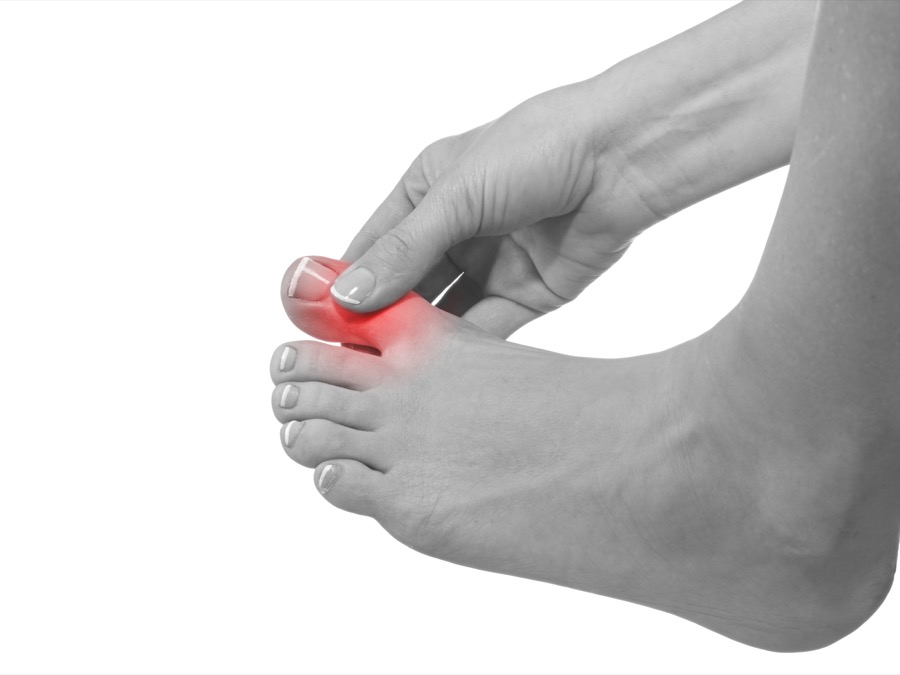
Joint stiffness
Stiffness around joints that feels worse in cold or damp weather, traditionally linked to wind and damp in TCM.
Learn more →Your practitioner will assess whether cupping is right for you at your consultation.
Frequently asked questions
Does cupping hurt?
Will there be marks or bruising?
Is fire placed on my skin?
How often should I have cupping?
Is cupping suitable for everyone?
Still have a question? Ask our practitioners.
What our patients say on Google
Conditions we often help with
More acupuncture treatments
Ready to try Cupping+Acupuncture?
Our experienced TCM practitioners are here to help. Book online in under two minutes and choose the time that suits you.
- Fully licensed practitioners
- Covered by private health insurance