
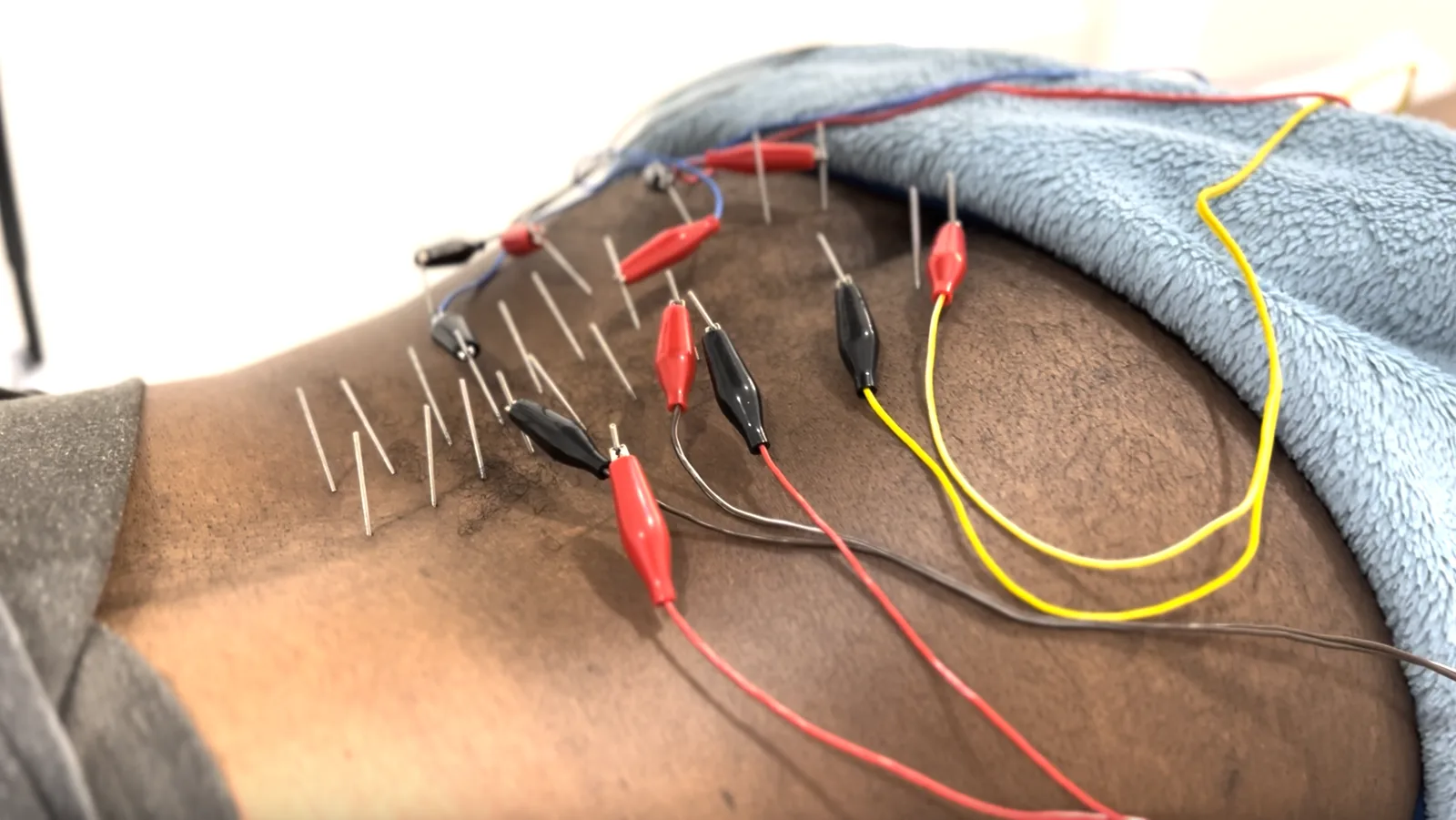
Electro-Acupuncture
Electro-acupuncture at AcuPro Clinic Abu Dhabi enhances traditional acupuncture by passing a very gentle micro-current between pairs of needles. This adds continuous, controllable stimulation that can be especially helpful for muscular and nerve-related pain, and for supporting recovery.
Book an appointment →Understanding Electro-Acupuncture
It builds on standard acupuncture, so your practitioner will decide whether it's a useful addition to your treatment plan.
- 01
Traditional Background
How Did Electric Acupuncture Develop?
Electric acupuncture builds on traditional acupuncture. In classical practice, the practitioner strengthens the effect of a point by hand, twisting or flicking the end of the needle during treatment. Electric acupuncture, developed in China in the 20th century, replaces this hand manipulation with a gentle, steady micro-current, so the stimulation is consistent and can be adjusted precisely to what you find comfortable.
Classicalacupoints chosen using TCM principlesManualneedles traditionally twisted or flicked by handElectrica gentle micro-current replaces hand manipulationAdjustablesteady stimulation set to your comfortFigure 1. From manual needle stimulation to electric acupuncture.
- 02
Modern Scientific Perspective
How Does Electric Acupuncture Work?
Electric acupuncture combines electrotherapy with traditional acupuncture. A micro electrical current is connected to the needles through an electric machine, which can help restore motor nerve function. Research suggests it encourages the natural release of the body’s own pain-relieving chemicals, such as endorphins[1][3], and it may also help calm an over-active nervous system.
Micro-current
through the needlesNerve stimulationThe current stimulates nerves and muscles around the acupoints.Natural chemicalsLaboratory research suggests different frequencies may release different natural pain-relieving chemicals, such as endorphins.Nervous systemSignals to the spinal cord and brain may help calm pain processing and an over-active stress response.Figure 2. How electric acupuncture is thought to work, based on the research literature[1][2][3].
Much of this research comes from laboratory studies, and work on how these effects translate to patients is ongoing[3].
References
- Han JS. Acupuncture: neuropeptide release produced by electrical stimulation of different frequencies. Trends in Neurosciences. 2003;26(1):17–22. doi.org/10.1016/S0166-2236(02)00006-1
- Han JS. Acupuncture and endorphins. Neuroscience Letters. 2004;361(1–3):258–261. doi.org/10.1016/j.neulet.2003.12.019
- Zhang R, Lao L, Ren K, Berman BM. Mechanisms of acupuncture–electroacupuncture on persistent pain. Anesthesiology. 2014;120(2):482–503. doi.org/10.1097/ALN.0000000000000101
What you need to know
- 1Before your treatment
What to Prepare
- Wear comfortable clothing.
- Make sure you are not too full or too hungry.
- 2During your treatment
What to Expect
First, the needles are inserted into the chosen points. Once they are in, the electrodes are attached and the frequency is started and increased to a level you are comfortable with. It is generally applied for 10–30 minutes.
You will feel either a dull ache or a mild tingling. If you feel any pain or discomfort, your practitioner can turn the frequency down at any time.
- 3After your treatment
Aftercare
- Keep the treatment area clean and dry.
- Avoid vigorous exercise for 24 hours after the treatment.
Conditions electric acupuncture may help with
Electric acupuncture gives a stronger, more consistent stimulation than standard acupuncture. It is often chosen for long-standing pain, muscle and nerve-related problems.

Chronic back pain
Long-standing lower back pain, where many patients choose the stronger stimulation of electric acupuncture.
Learn more →
Sciatica
Nerve-related pain running from the lower back down the leg.
Learn more →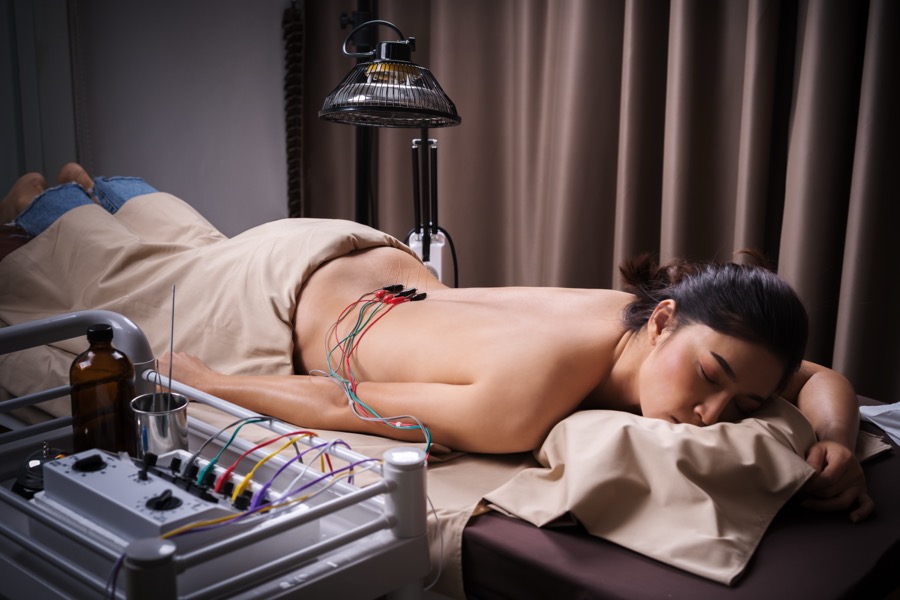
Neck & shoulder pain
Persistent tension, stiffness and muscle tightness in the neck and shoulders.
Learn more →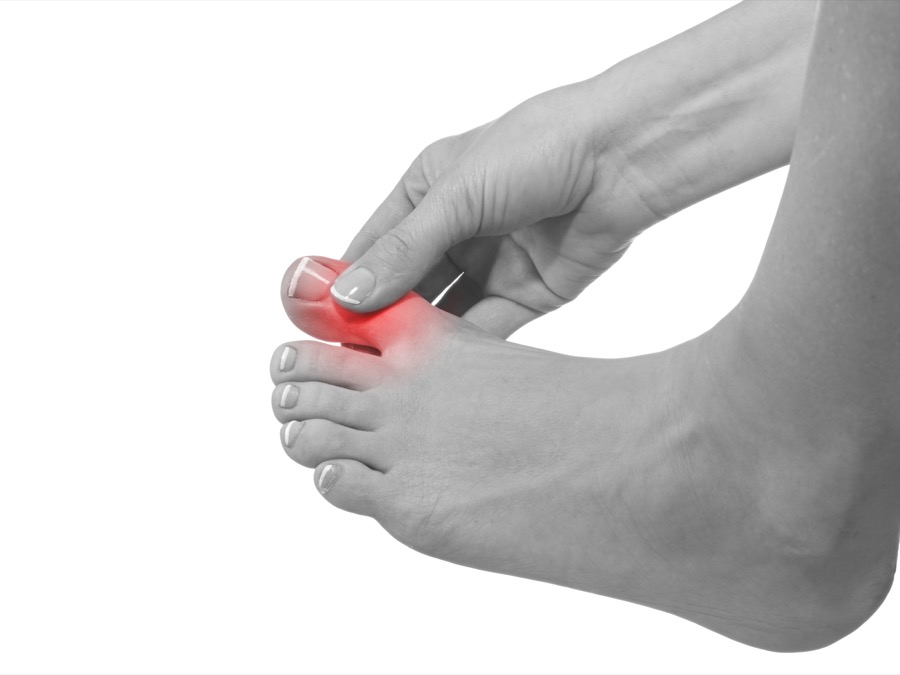
Joint pain & arthritis
Aching, stiff joints such as the knees, where electric acupuncture is often used to help ease discomfort.
Learn more →
Tendon & heel pain
Ongoing pain from conditions such as plantar fasciitis or Achilles tendinitis.
Learn more →Muscle weakness & nerve problems
Electric acupuncture is widely used in neurological conditions to stimulate muscles and support motor nerve function, alongside medical care.

Headaches & migraines
Recurring headaches, where many patients use acupuncture alongside their usual care.
Learn more →Chemotherapy-related nausea
Electric acupuncture is sometimes used alongside anti-sickness medication to help with nausea during chemotherapy. Always discuss this with your oncology team first.
Your practitioner will assess whether electric acupuncture is right for you at your consultation. It is not suitable for everyone: please tell them if you have a pacemaker or other implanted electrical device, epilepsy, are pregnant, or take blood-thinning medication.
Frequently asked questions
Does electric acupuncture hurt more than normal acupuncture?
Is electric acupuncture dangerous?
Who is suitable for electric acupuncture?
What can I expect from the treatment?
Can every acupuncturist do electric acupuncture?
Still have a question? Ask our practitioners.
What our patients say on Google
Conditions we often help with
Sciatica Back Pain Neck and Shoulder Pain Plantar Fasciitis Arthritis & Joint Pain Headache and Migraines More acupuncture treatments


Ready to try Electro-Acupuncture?
Our experienced TCM practitioners are here to help. Book online in under two minutes and choose the time that suits you.
- Fully licensed practitioners
- Covered by private health insurance