
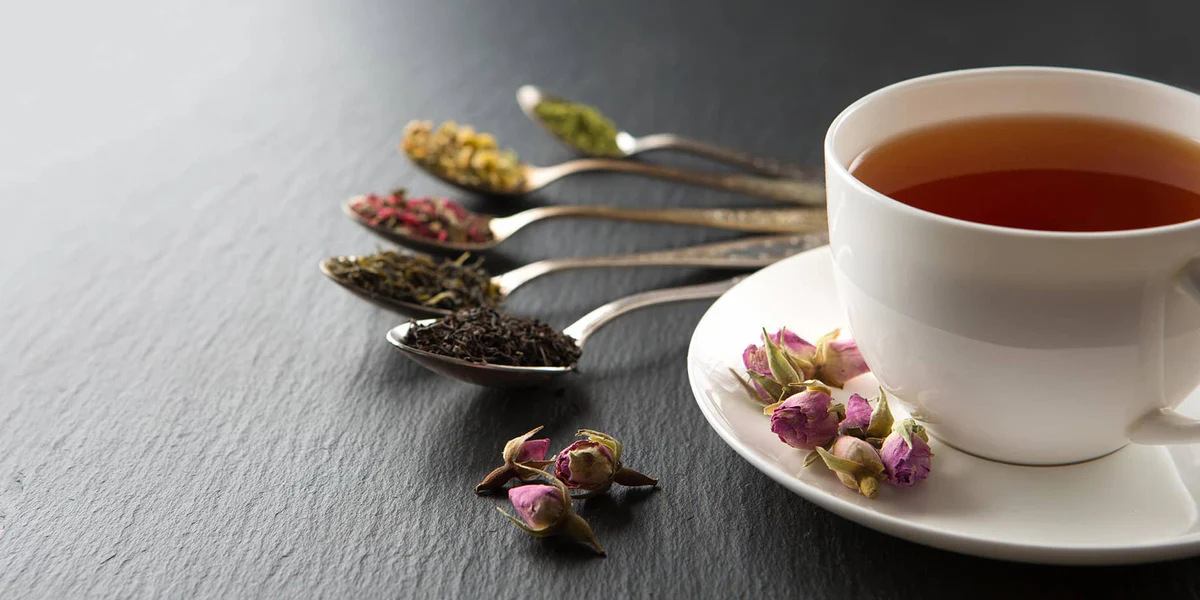
Herbal Tea
Gentle blends of Chinese herbs, made on the same principles as our clinical prescriptions, so you can bring Traditional Chinese Medicine into your daily routine in a cup that is pleasant to drink and easy to use.
Book an appointment →Understanding Herbal Tea
- 01
Traditional Background
Dried flowers and herbs used in Chinese herbal tea blends Where Do Chinese Herbal Teas Come From?
Drinking herbs steeped in hot water is one of the oldest ways of using Chinese medicine. Alongside formal prescriptions, TCM has a long tradition of food and drink therapy, in which everyday ingredients such as chrysanthemum, goji berry, jujube and ginger are chosen for their nature and flavour to support health from day to day[1].
Unlike ordinary teas, our herbal teas are blends of Chinese herbs chosen according to the TCM principles of balancing Yin and Yang, Qi and Blood. Our licensed practitioners create each blend with a particular aim in mind, such as relaxation, digestion, sleep, seasonal wellbeing or hormonal balance, and can tailor a blend to your constitution.
BalancesYin and Yang through the dayReplenishesQi and everyday energySettlesdigestion after mealsCalmsthe mind and supports restFigure 1. Common traditional aims of Chinese herbal tea blends in TCM theory.
- 02
Modern Scientific Perspective
How Do Herbal Teas Work?
When herbs are steeped in hot water, some of their water-soluble plant compounds, such as polyphenols and flavonoids, pass into the drink. A scoping review of herbal tea research found that many commonly used herbal teas contain such compounds and have been studied for a range of possible health benefits, while noting that most studies are small and more good-quality human trials are needed[2].
Herbs steeped
in hot water, 5–10 minutesExtractionHot water draws out water-soluble plant compounds and aromatic oils.Plant compoundsPolyphenols and flavonoids are among the compounds most often studied.Daily habitA regular, calming tea ritual can also support a healthy routine.Figure 2. How a herbal tea delivers its plant compounds[2].
Herbal teas are best seen as a gentle, everyday support for wellbeing rather than a treatment for illness. If you have a health concern, please speak to your practitioner or GP.
References
- Wu Q, Liang X. Food therapy and medical diet therapy of Traditional Chinese Medicine. Clinical Nutrition Experimental. 2018;18:1–5. doi.org/10.1016/j.yclnex.2018.01.001
- Poswal FS, Russell G, Mackonochie M, MacLennan E, Adukwu EC, Rolfe V. Herbal teas and their health benefits: a scoping review. Plant Foods for Human Nutrition. 2019;74(3):266–276. doi.org/10.1007/s11130-019-00750-w
What you need to know
- 1Before you start
Choosing Your Blend
Your practitioner can recommend a ready-made blend or create a customised tea for your body type and wellness goals after a short consultation.
Although these are gentle products, herbs can still interact with some medicines. Please tell your practitioner about any medicines or supplements you take, and if you are pregnant, breastfeeding or planning a pregnancy, have a known allergy, or have liver or kidney problems. Please also let your GP know you are using Chinese herbs.
- 2How to use it
Brewing Your Tea
- Add one sachet (or the recommended amount) to a cup of hot water.
- Steep for 5–10 minutes.
- Enjoy 1–2 cups a day, or as your practitioner advises.
- Store sachets in a cool, dry place away from sunlight.
- 3Good to know
Getting the Most From It
- Herbal teas work gently, so they are best enjoyed regularly as part of a balanced lifestyle.
- If you notice anything unusual, such as an upset stomach or a rash, stop drinking the tea and let us know.
Herbal teas complement, but do not replace, advice from your GP or any medicines you have been prescribed.
Who herbal tea is for
Herbal tea is a simple way to bring TCM into everyday life. These are some of the reasons our patients choose a blend.
Everyday stress
A calming cup to help you unwind at the end of a busy day.

Restful sleep routine
Many patients enjoy a caffeine-free evening blend as part of a relaxing bedtime routine.
Learn more →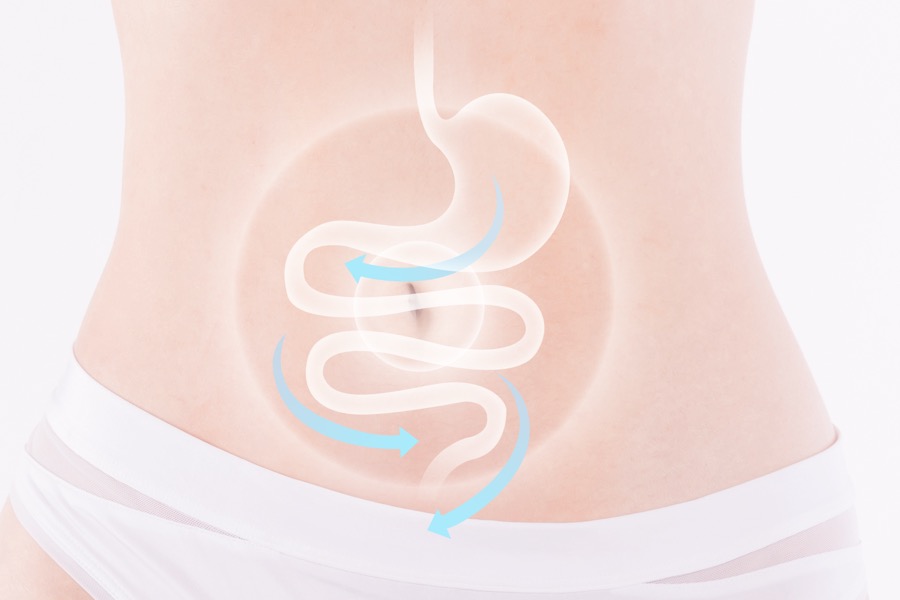
Digestive comfort
Blends traditionally used to settle the stomach and support comfortable digestion after meals.
Learn more →
Low energy
Gentle blends traditionally used to replenish Qi when you feel run down.
Learn more →
Seasonal wellbeing
Warming or cooling blends chosen to suit the season and support your general wellbeing.
Learn more →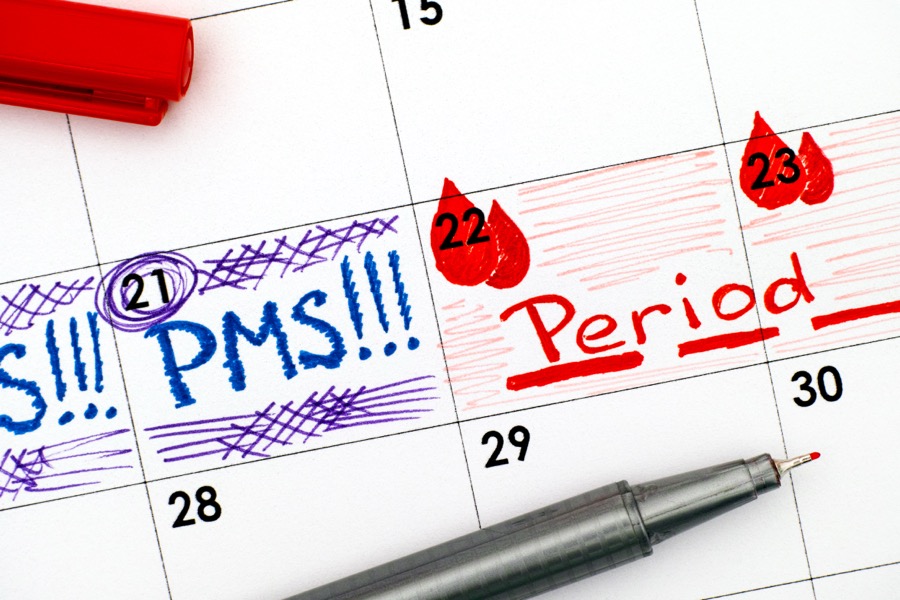
Women’s wellbeing
Blends often chosen to support comfort around the monthly cycle.
Learn more →Your practitioner will help you choose the right blend, or create one for you, at your consultation.
Frequently asked questions
How is this different from an ordinary herbal tea?
How much should I drink?
Can I have a blend made just for me?
Is it safe to drink with my medication?
What does it taste like?
Still have a question? Ask our practitioners.
What our patients say on Google
Conditions we often help with



More herbal medicine treatments
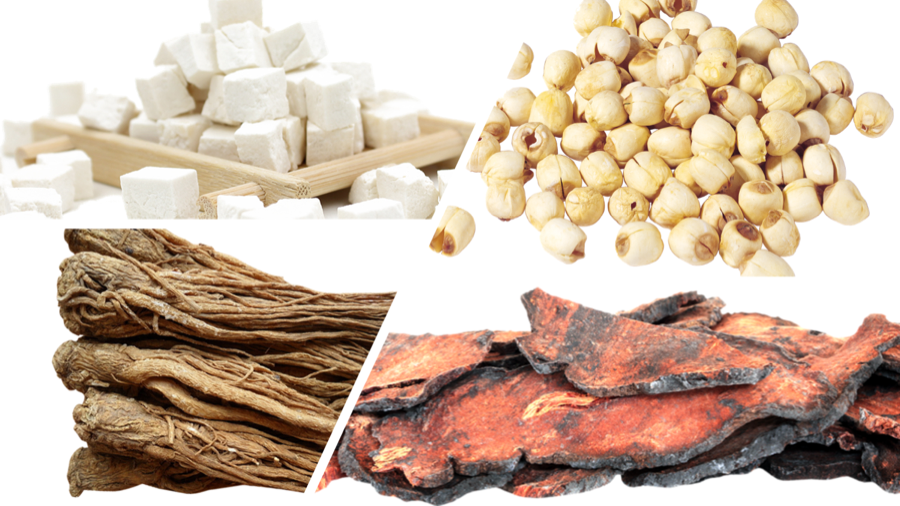
Ready to try Herbal Tea?
Our experienced TCM practitioners are here to help. Book online in under two minutes and choose the time that suits you.
- Fully licensed practitioners
- Covered by private health insurance