
Herbal Wash
A traditional external therapy in Chinese medicine: warm liquid made from selected herbs, used for soaking, washing or compresses to soothe aches, support local circulation and help you relax.
Book an appointment →Understanding Herbal Wash
- 01
Traditional Background
How Did Herbal Washes Develop?
External herbal therapies such as soaks, washes, steams and compresses have long been part of Chinese medicine, used alongside acupuncture and herbal prescriptions. Warm herbal foot soaks in particular remain a popular daily habit in China.
Our herbal wash formulas are custom-made blends of Chinese herbs, decocted into a warm liquid for soaking, washing or compressing a particular area. Because the herbs are used on the outside of the body, they do not pass through the digestive system, which makes herbal washes an option for people who cannot or prefer not to take herbs by mouth.
Warmsthe area being soakedMovesQi and Blood locallyEasesaches and stiffnessRelaxesbody and mindFigure 1. Traditional aims of herbal washes in TCM theory.
- 02
Modern Scientific Perspective
How Does a Herbal Wash Work?
A herbal wash combines two things: warm water and plant compounds. The skin is a strong protective barrier, and research on delivering substances through the skin shows that only some small, fat-soluble molecules pass through it in meaningful amounts[1]. So any herbal effect is likely to be mainly local and gentle.
Warm herbal wash
15–20 minute soak or compressWarmthWarm water relaxes muscles and increases blood flow to the skin.Plant compoundsSome herbal compounds may be taken up at the skin surface, mainly acting locally[1].RelaxationA regular warm soak is a calming ritual that may help you wind down.Figure 2. The ways a warm herbal wash may support comfort and relaxation.
The warmth itself has been studied more than the herbs. A systematic review found that warm bathing (water at around 40–42.5°C) taken 1–2 hours before bed was associated with falling asleep more quickly and better self-rated sleep quality[2]. Research on specific Chinese herbal washes is limited, so we see them as a soothing, supportive therapy rather than a cure.
References
- Prausnitz MR, Langer R. Transdermal drug delivery. Nature Biotechnology. 2008;26(11):1261–1268. doi.org/10.1038/nbt.1504
- Haghayegh S, Khoshnevis S, Smolensky MH, Diller KR, Castriotta RJ. Before-bedtime passive body heating by warm shower or bath to improve sleep: a systematic review and meta-analysis. Sleep Medicine Reviews. 2019;46:124–135. doi.org/10.1016/j.smrv.2019.04.008
What you need to know
- 1Before you start
Your Consultation
Your practitioner will ask about your symptoms and skin and prepare a herbal wash formula for you.
Please let us know if you have broken or very sensitive skin, a known skin allergy, diabetes or reduced feeling in your hands or feet, poor circulation, or if you are pregnant. Herbs can occasionally interact with medicines, so please tell your practitioner about any medicines you take and let your GP know you are using Chinese herbs.
- 2How to use it
Soak, Wash or Compress
- You will receive your herbal wash in ready-to-use or easy-to-prepare packs, with clear instructions on how to heat, dilute and apply it.
- Check the temperature with your hand or elbow first: it should feel comfortably warm, never hot.
- Soak, wash or apply a compress to the area for 15–20 minutes, once or twice a day, or as advised.
- Pat the skin dry afterwards and keep warm.
- 3Good to know
Using It Safely
- Herbal washes are for external use only. Do not drink them.
- Do not apply to open wounds or broken skin unless your practitioner has advised it.
- If you notice redness, itching or a rash, stop using the wash and let us know.
- Some herbs may temporarily tint the skin or stain fabrics, so use an old towel.
Who herbal wash is for
A warm herbal wash is a soothing way to care for a particular area of the body. These are some of the reasons our patients choose it.
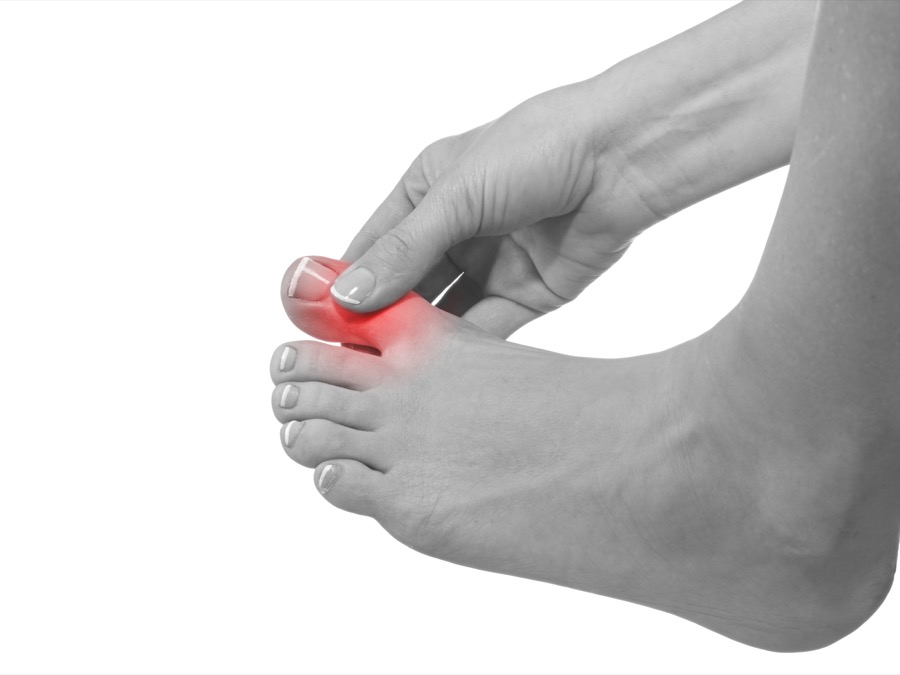
Aching, stiff joints
Many patients use a warm herbal soak for joints that feel stiff or achy, especially in cold weather.
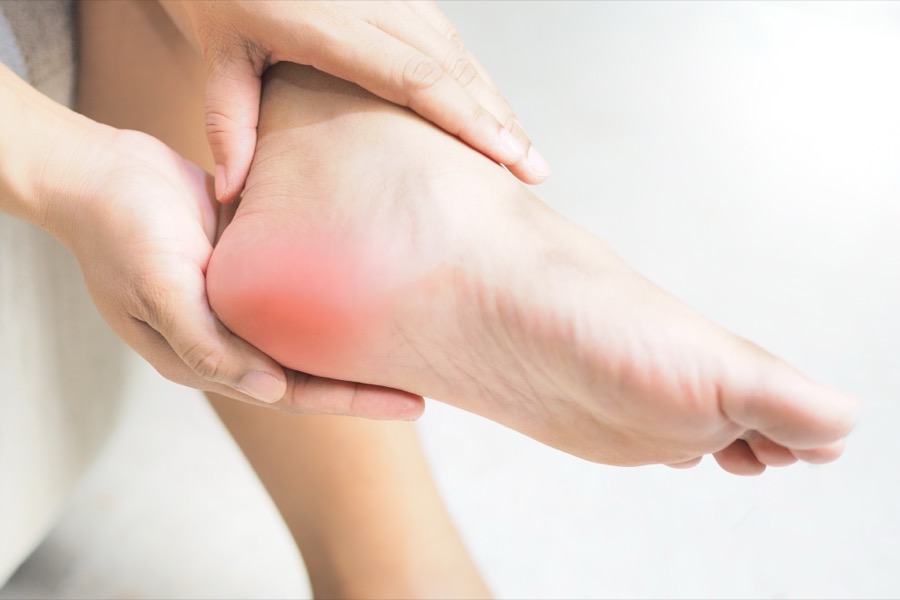
Tired, aching feet
A warm herbal foot soak is often used for heel and foot discomfort at the end of the day.
Learn more →
Muscle tension
Warmth and herbs may help tight, tired muscles feel more relaxed.
Cold hands and feet
Warming soaks traditionally used to support circulation when you always feel the cold.

Winding down for sleep
An evening foot soak is a relaxing ritual that many patients find helps them settle before bed.
Learn more →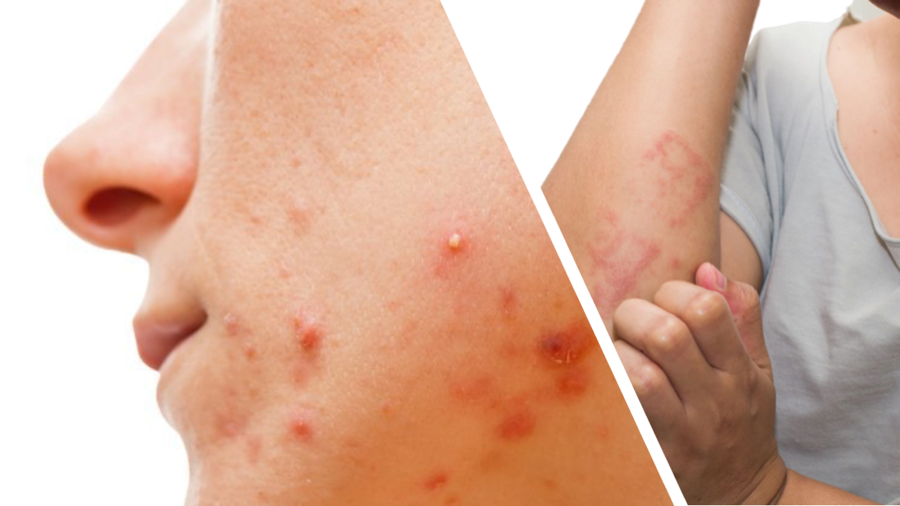
Skin comfort
Gentle herbal washes are often chosen to soothe dry or irritated skin. Please tell us if your skin is broken or very sensitive.
Learn more →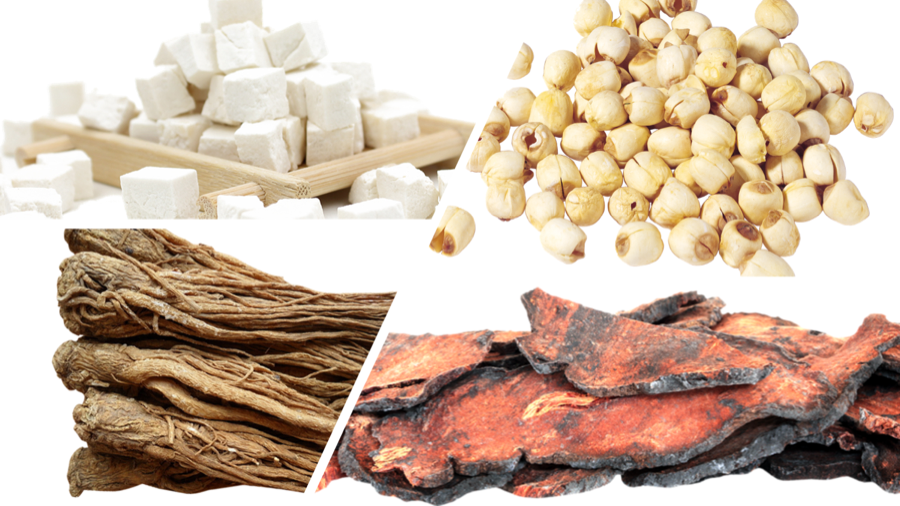
Prefer not to take herbs by mouth
A good option if you cannot or would rather not swallow herbal medicine.
Your practitioner will assess whether a herbal wash is right for you at your consultation.
Frequently asked questions
Who is a herbal wash suitable for?
How long and how often should I use it?
How hot should the water be?
Can I use it alongside acupuncture or other treatment?
What if my skin reacts?
Still have a question? Ask our practitioners.
What our patients say on Google
Conditions we often help with


More herbal medicine treatments
Ready to try Herbal Wash?
Our experienced TCM practitioners are here to help. Book online in under two minutes and choose the time that suits you.
- Fully licensed practitioners
- Covered by private health insurance