Hair to Toes’ Care
A head-to-toe wellbeing ritual built from traditional Chinese techniques: choose four or six 15-minute treatments, from scalp care and facial GuaSha to back cupping and foot massage, for a 60- or 90-minute session tailored to how you feel.
Book an appointment →Understanding Hair to Toes’ Care
- 01
Traditional Background
Where Do These Techniques Come From?
Hair to Toes’ Care brings together several classic external therapies from Traditional Chinese Medicine. Each one has a long history of its own: plum blossom needling (meihua zhen), a light tapping with a small head of fine pins; GuaSha, smooth scraping strokes over the skin; cupping; TuiNa-style massage; and moxibustion, the gentle warmth of burning mugwort.
In TCM theory, the body is one connected whole, linked by channels that run from the head to the feet. Working on several areas in one session is intended to encourage the smooth flow of Qi and Blood throughout the body. For example, “Liver Qi” GuaSha follows the channels traditionally associated with stress, frustration and irritability, which TCM links to stagnation of Liver Qi.
Scalpplum blossom needle with a herbal liquidFacefacial GuaShaBodyneck and shoulder massage, Liver Qi GuaSha, back cupping or slidingLegs & feetleg and foot massageFigure 1. The treatment options, from hair to toes.
- 02
Modern Scientific Perspective
How Do These Techniques Work?
The techniques in this treatment work mainly on the skin, muscles and circulation. Research on each of them is still limited, but studies suggest some plausible mechanisms:
Hair to Toes’ Care
GuaSha, cupping and massageSurface circulationIn a small study of healthy volunteers, a single GuaSha treatment increased surface microcirculation in the treated area, and participants reported less muscle pain[1].Muscle releaseCupping uses suction to lift and stretch the tissue; it has been studied for many conditions, though most trials are of low quality[2].RelaxationMassage is associated with short-term reductions in anxiety, heart rate and blood pressure[3].Figure 2. How the main techniques in Hair to Toes’ Care may have their effects.
Hair to Toes’ Care is designed as a relaxing wellbeing treatment rather than a treatment for a specific medical condition. If you have a particular health concern, your practitioner may suggest a dedicated acupuncture or TCM consultation instead.
References
- Nielsen A, Knoblauch NT, Dobos GJ, Michalsen A, Kaptchuk TJ. The effect of Gua Sha treatment on the microcirculation of surface tissue: a pilot study in healthy subjects. Explore (NY). 2007;3(5):456–466. doi.org/10.1016/j.explore.2007.06.001
- Cao H, Li X, Liu J. An updated review of the efficacy of cupping therapy. PLoS One. 2012;7(2):e31793. doi.org/10.1371/journal.pone.0031793
- Moyer CA, Rounds J, Hannum JW. A meta-analysis of massage therapy research. Psychological Bulletin. 2004;130(1):3–18. doi.org/10.1037/0033-2909.130.1.3
What you need to know
- 1Before your treatment
Choose Your Options
Choose four options for a 60-minute treatment or six options for a 90-minute treatment, each lasting 15 minutes:
- Plum blossom needle with herbal liquid on the scalp
- Facial GuaSha
- Neck and shoulder massage
- Liver Qi GuaSha (stress releasing)
- Back cupping or sliding cupping
- Leg and foot massage
A 60-minute treatment includes one complementary treatment and a 90-minute treatment includes two: a hydrating mask or moxa. These are applied alongside your chosen options, so no extra time is needed.
Please let your practitioner know if you are pregnant, bruise easily, take blood-thinning medication, have sensitive skin or allergies, or are sensitive to smoke or strong smells.
- 2During your treatment
What to Expect
- Wear comfortable clothing, and make sure you are neither too full nor too hungry.
- Your practitioner will work through your chosen options, usually from head to toe.
- Plum blossom needling feels like light, quick tapping on the scalp; GuaSha and cupping feel like firm, smooth strokes or a pulling sensation.
- Tell your practitioner at any time if anything feels too strong and the pressure will be adjusted.
- 3After your treatment
Aftercare
- Keep the treated areas clean and dry.
- Avoid vigorous exercise for 24 hours after the treatment.
- Keep warm and hydrated.
GuaSha and cupping can leave temporary red or purple marks, which usually fade within a few days. Many people feel deeply relaxed afterwards.
Who Hair to Toes’ Care is for
Hair to Toes’ Care is a flexible wellbeing treatment. These are some of the reasons our patients choose it, and the options they often pick.
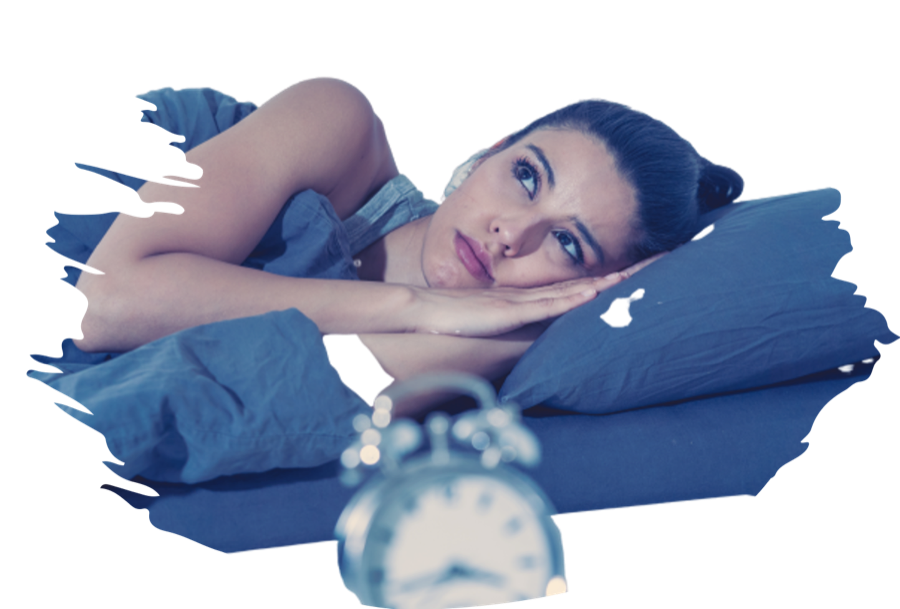
Stress & tension
Liver Qi GuaSha and neck and shoulder massage are popular choices when you feel tense, irritable or overloaded.
Learn more →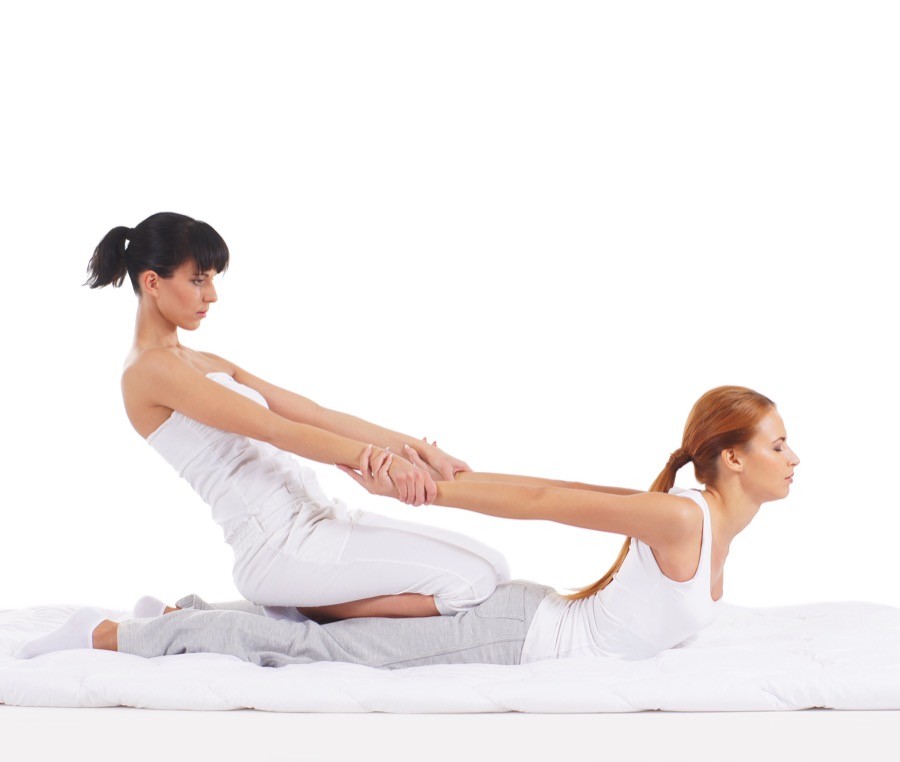
Neck & shoulder stiffness
For desk workers and anyone carrying tension in the upper body.
Learn more →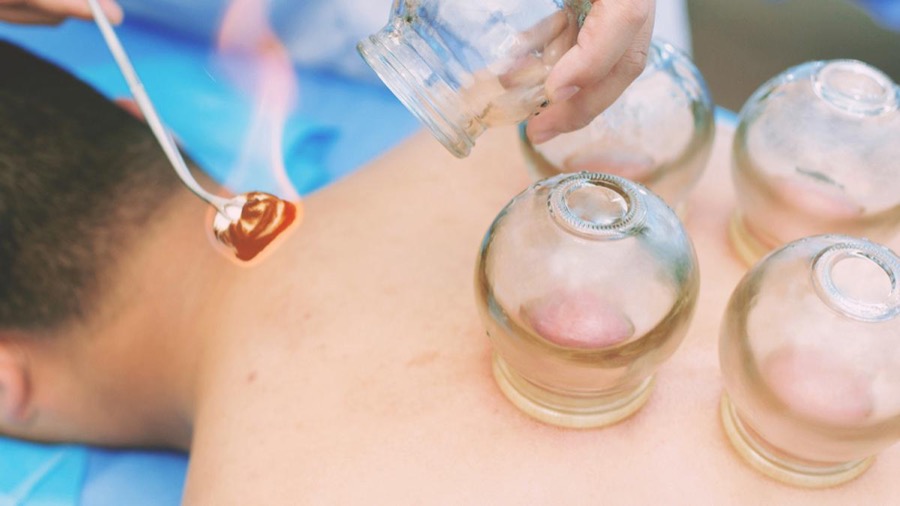
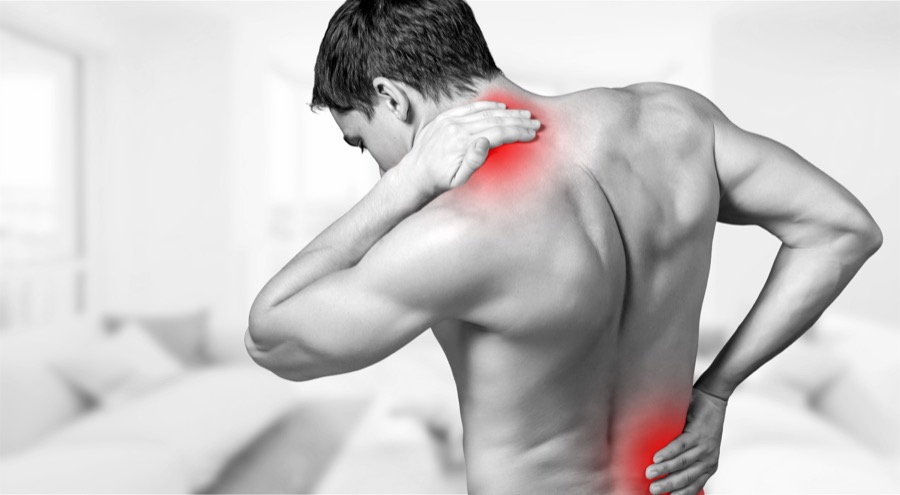
Tired, tight back
Back cupping or sliding cupping to help tight back muscles feel looser.
Learn more →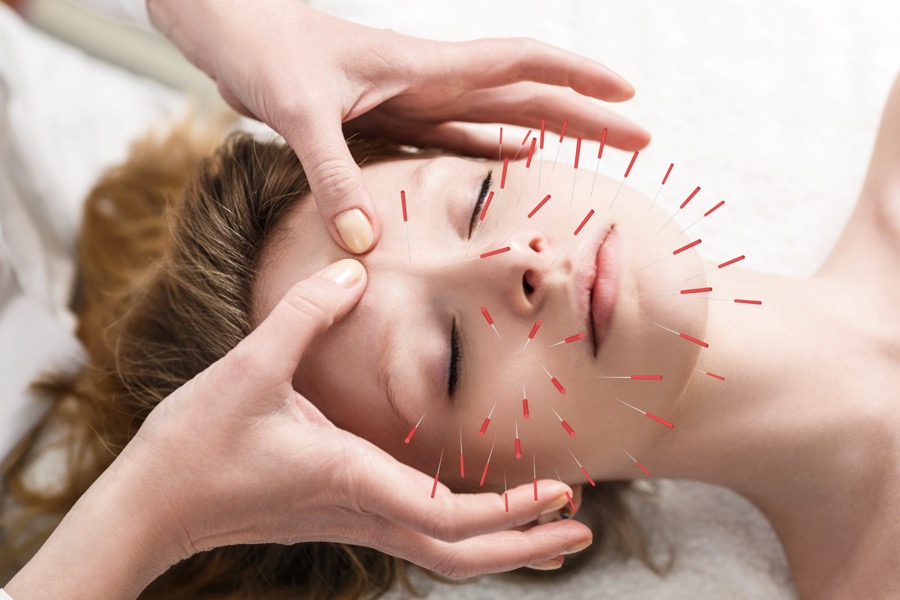
Scalp care
Plum blossom needling with herbal liquid is a traditional scalp treatment many patients choose as part of their hair care routine.
Facial glow
Facial GuaSha and a hydrating mask for a refreshed, relaxed-looking complexion.
Tired legs & feet
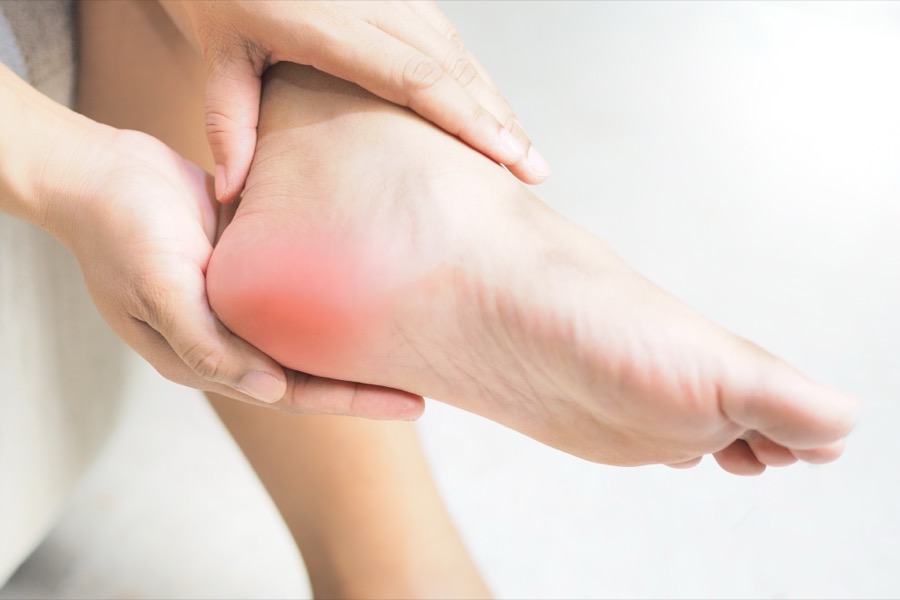
Leg and foot massage for heavy, tired legs after a long day on your feet.

Feeling run down
A full head-to-toe session, with moxa for warmth, when you feel low in energy.
Learn more →Better relaxation & sleep
Many people find a 90-minute session helps them unwind and sleep better.
Learn more →Your practitioner will help you choose the options that suit you at your appointment.
Frequently asked questions
How long is the treatment?
What are the complementary treatments?
Will GuaSha or cupping leave marks?
Does the plum blossom needle hurt?
Will scalp treatment make my hair grow?
Still have a question? Ask our practitioners.
What our patients say on Google
Conditions we often help with
More wellbeing enhancement treatments
Ready to try Hair to Toes’ Care?
Our experienced TCM practitioners are here to help. Book online in under two minutes and choose the time that suits you.
- Fully licensed practitioners
- Covered by private health insurance