
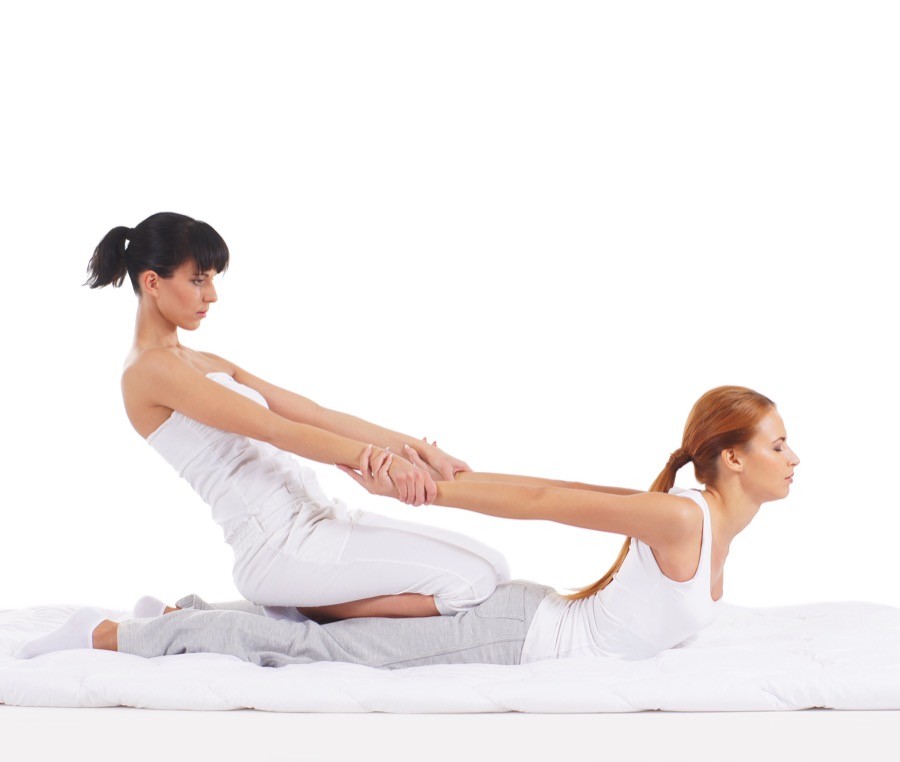
Tui Na Massage
Tui Na is a traditional Chinese therapeutic massage practised for thousands of years and a core part of Traditional Chinese Medicine. At AcuPro Clinic in Abu Dhabi, our practitioners use a range of hand techniques — pressing, kneading, rolling and acupressure along the body's energy channels — to release tension, ease pain and restore healthy movement.
Book an appointment →Understanding Tui Na Massage
Unlike a purely relaxing spa massage, Tui Na is targeted and clinical: your session begins with a short assessment so the treatment focuses on exactly what your body needs, whether that's a stiff neck from desk work, a tight lower back, or general fatigue and stress.
- 01
Traditional Background
How Did TuiNa Develop?
TuiNa (推拿, literally “push and grasp”) is one of the main branches of Traditional Chinese Medicine, alongside acupuncture and herbal medicine. Hand-based massage, known in early texts as anmo (“press and rub”), is described in the Huangdi Neijing, and has been practised in China for well over two thousand years. The name TuiNa came into common use during the Ming dynasty, and today it is taught as a specialty in TCM universities and used in Chinese hospitals.
In TCM theory, TuiNa works along the same channels (meridians) and acupoints used in acupuncture. By applying rhythmic pressure and movement, the practitioner aims to free areas of stagnation, encourage the smooth flow of Qi and Blood, and relax the tendons and muscles. Techniques are chosen to suit each person: gentle and soothing for tension and stress, firmer and more focused for stiff or knotted muscles.
Pushingand rolling to warm and loosen the musclesPressingacupoints along the channelsGraspingand kneading to release knotted tissueStretchingand mobilising the jointsFigure 1. Common groups of TuiNa hand techniques and what they are traditionally used for.
- 02
Modern Scientific Perspective
How Does TuiNa Work?
From a modern point of view, TuiNa is a form of therapeutic soft-tissue massage. Research on massage in general suggests that it may act through several overlapping pathways:
TuiNa techniques
pressure, kneading and stretchingSoft tissueMechanical pressure and stretching may ease muscle tension and stiffness and improve local blood flow.Nervous systemStimulating pressure receptors in the skin and muscles may change how pain signals are processed.RelaxationMassage is associated with a calmer state, including short-term reductions in anxiety and heart rate[1].Figure 2. Proposed ways in which therapeutic massage such as TuiNa may have its effects.
Clinical evidence is still developing and is generally of modest quality. A systematic review of massage for neck and shoulder pain, carried out by researchers at a Shanghai TuiNa research institute, found that massage may provide short-term relief compared with no or inactive treatment, but did not clearly outperform other active treatments[2]. A Cochrane review of massage for low back pain found short-term improvements in pain, while rating the overall certainty of the evidence as low to very low[3].
TuiNa is best seen as a hands-on therapy that many people find helpful for muscle tension, stiffness and relaxation, and it can be combined with acupuncture or cupping as part of a wider treatment plan.
References
- Moyer CA, Rounds J, Hannum JW. A meta-analysis of massage therapy research. Psychological Bulletin. 2004;130(1):3–18. doi.org/10.1037/0033-2909.130.1.3
- Kong LJ, Zhan HS, Cheng YW, Yuan WA, Chen B, Fang M. Massage therapy for neck and shoulder pain: a systematic review and meta-analysis. Evidence-Based Complementary and Alternative Medicine. 2013;2013:613279. doi.org/10.1155/2013/613279
- Furlan AD, Giraldo M, Baskwill A, Irvin E, Imamura M. Massage for low-back pain. Cochrane Database of Systematic Reviews. 2015;(9):CD001929. doi.org/10.1002/14651858.CD001929.pub3
What you need to know
- 1Before your treatment
What to Prepare
If you have any medical reports, examination or test results, feel free to bring them with you. They can help us better understand your condition, but they are not necessary.
Please let your practitioner know if you are pregnant, have osteoporosis, a recent injury or fracture, a skin condition in the area, a blood-clotting disorder or take blood-thinning medication.
- 2During your treatment
What to Expect
- Wear comfortable, loose clothing, and make sure you are neither too full nor too hungry.
- Your practitioner will ask about your symptoms and check the areas of tension before starting.
- A combination of pushing, kneading, pressing, rolling and gentle stretching techniques is applied to the muscles, joints and acupoints.
- The pressure can feel firm in tight areas, but it should never be more than you are comfortable with. Tell your practitioner at any time and the pressure will be adjusted.
- 3After your treatment
Aftercare
- Avoid vigorous exercise for 24 hours after the treatment.
- Keep hydrated.
- Keep warm and avoid sitting in cold draughts.
Some people feel mild muscle tenderness for a day or so, similar to after exercise, and many feel deeply relaxed. This is usually temporary.
Conditions TuiNa may help with
TuiNa is often chosen for muscle and joint discomfort, tension and stress. These are some of the most common reasons our patients choose it.
Neck & shoulder tension
Stiff, aching neck and shoulders from desk work, poor posture or stress. Massage may give short-term relief from neck and shoulder pain.
Learn more →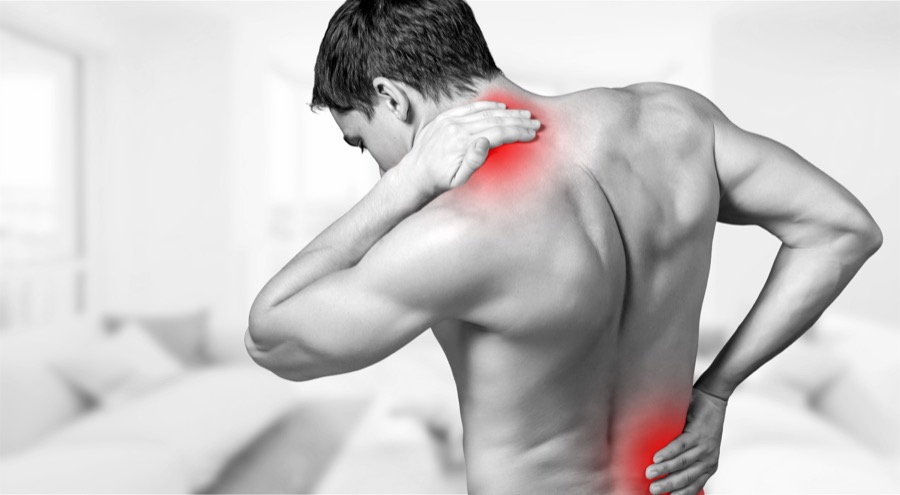
Back pain
Many patients choose TuiNa for aching, tight back muscles, often alongside acupuncture or cupping.
Learn more →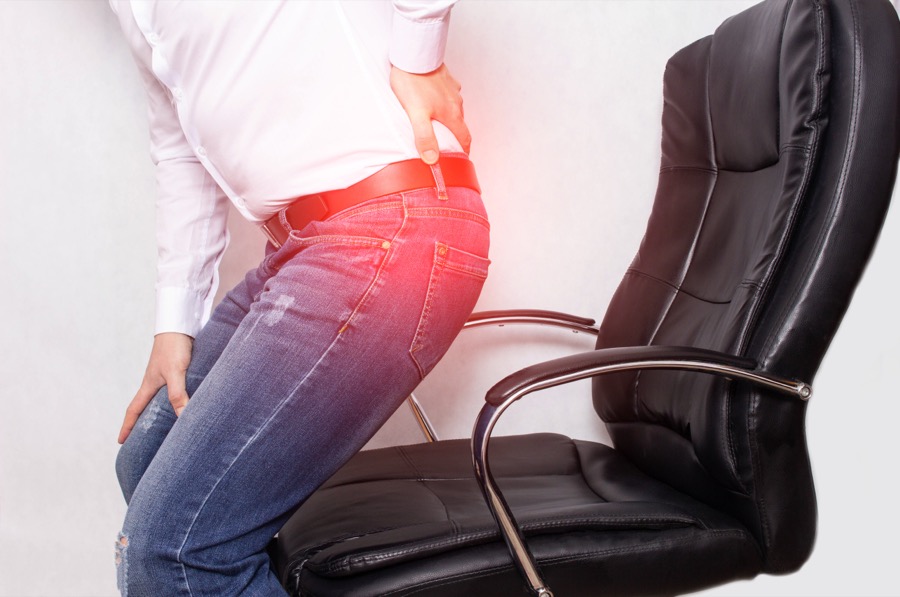
Sciatica-type pain
Tight muscles in the lower back and buttocks that can accompany sciatic pain. TuiNa is used to relax these areas as part of a wider plan.
Learn more →
Stiff joints
Joint stiffness and reduced flexibility, for example in the shoulders or knees. Gentle mobilisation may help you feel more comfortable moving.
Learn more →
Stress & tension
Physical tension that builds up with stress. Massage is associated with feeling calmer and more relaxed.
Learn more →Poor sleep
Some people find the relaxing effect of TuiNa helps them unwind and sleep better.
Learn more →
Tension headaches
Headaches linked to tight neck and shoulder muscles. TuiNa is often used to ease the tension around the neck and head.
Learn more →
Fatigue & low energy
Feeling run down and tense. In TCM, TuiNa is used to encourage the smooth flow of Qi and Blood.
Learn more →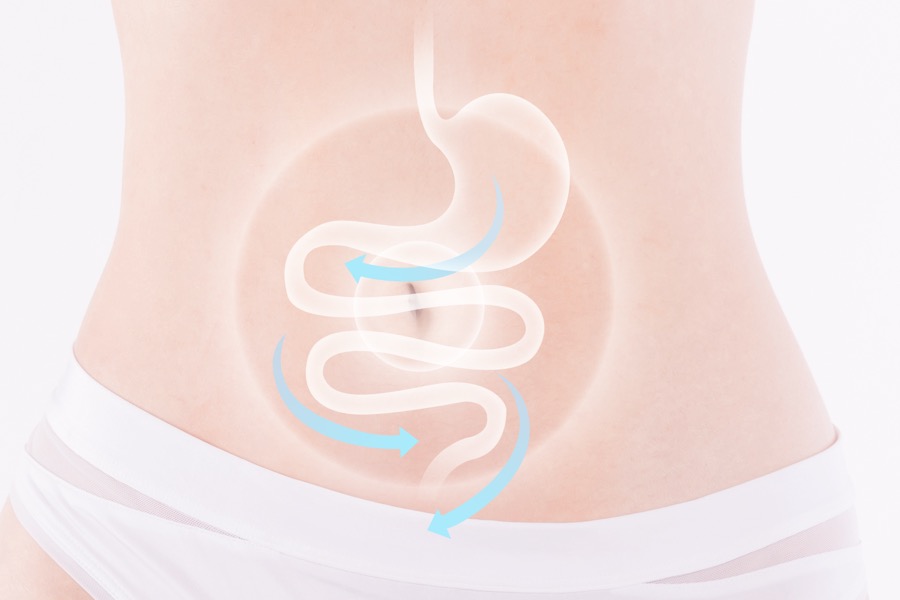
Digestive discomfort
Some practitioners use gentle abdominal TuiNa for bloating and sluggish digestion.
Learn more →Your practitioner will assess whether TuiNa is right for you at your consultation.
Frequently asked questions
Is TuiNa painful?
How is TuiNa different from other massage?
Will I feel sore afterwards?
Can TuiNa be combined with acupuncture or cupping?
Is TuiNa suitable for everyone?
Still have a question? Ask our practitioners.
What our patients say on Google
Conditions we often help with
More wellbeing enhancement treatments
Ready to try Tui Na Massage?
Our experienced TCM practitioners are here to help. Book online in under two minutes and choose the time that suits you.
- Fully licensed practitioners
- Covered by private health insurance