Five Elements Acupuncture
Five Elements Acupuncture is a traditional, whole-person approach that looks at how Wood, Fire, Earth, Metal and Water are balanced in you, and uses fine needles to help restore harmony between body, mind and emotions.
Book an appointment →Understanding Five Elements Acupuncture
- 01
Traditional Background
What Are the Five Elements?
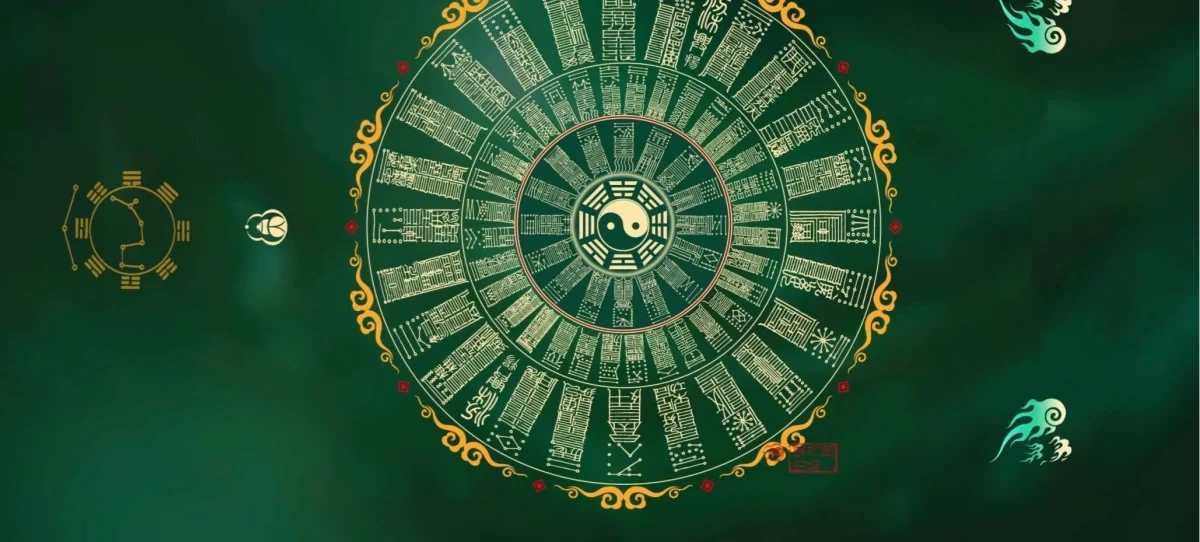
The Five Elements (Wu Xing, also translated as the Five Phases) is one of the founding theories of Traditional Chinese Medicine, alongside Yin and Yang. It describes the world, and the human body, in terms of five interconnected elements: Wood, Fire, Earth, Metal and Water[1].
Each element is associated with particular qualities, a season, a colour, an emotion and a pair of organs. Wood, for example, is linked to spring, the Liver and anger, while Water is linked to winter, the Kidneys and fear. The elements nourish one another in a generating cycle and keep one another in check in a controlling cycle.
In this approach, illness and disharmony are seen as signs that the elements have fallen out of balance. The practitioner’s aim is to identify which element needs the most support and to help restore balance across the whole system.
WoodSpring · Liver · growth and planningFireSummer · Heart · joy and connectionEarthLate summer · Spleen · nourishmentMetal & WaterAutumn · Lung · letting go; Winter · Kidney · reservesFigure 1. Traditional associations of the Five Elements (Metal and Water shown together).
- 02
Modern Scientific Perspective
How Does Five Elements Acupuncture Work?
The Five Elements are a traditional framework for understanding a person, not a description of anatomy, so they cannot be measured directly in the laboratory. Research instead looks at what happens when acupuncture needles are used, whichever diagnostic style guides point selection.
Whole-person assessment
Five Elements diagnosisPoint selectionPoints are chosen to support the element most in need of balance.Needle stimulationFine needles stimulate nerves in skin and muscle, which may influence pain and stress responses.RelaxationMany patients report feeling calmer and more relaxed during and after treatment.Figure 2. From traditional diagnosis to the physical effects studied by researchers.
The strongest evidence for acupuncture in general is for chronic pain. A large meta-analysis of individual patient data from around 20,000 patients found that acupuncture performed better than both sham acupuncture and no acupuncture for chronic pain conditions, although the difference compared with sham was modest[2]. There is very little research looking specifically at the Five Elements style.
Acupuncture by trained practitioners is generally safe: a UK survey of over 34,000 treatments by traditional acupuncturists reported no serious adverse events[3].
References
- Kaptchuk TJ. Acupuncture: theory, efficacy, and practice. Annals of Internal Medicine. 2002;136(5):374–383. doi.org/10.7326/0003-4819-136-5-200203050-00010
- Vickers AJ, Vertosick EA, Lewith G, et al. Acupuncture for chronic pain: update of an individual patient data meta-analysis. The Journal of Pain. 2018;19(5):455–474. doi.org/10.1016/j.jpain.2017.11.005
- MacPherson H, Thomas K, Walters S, Fitter M. The York acupuncture safety study: prospective survey of 34 000 treatments by traditional acupuncturists. BMJ. 2001;323(7311):486–487. doi.org/10.1136/bmj.323.7311.486
What you need to know
- 1Before your treatment
What to Prepare
If you have any medical reports, examination or test results, feel free to bring them with you. They can help us better understand your condition, but they are not necessary.
Please let your practitioner know if you are pregnant, take blood-thinning medication, have a pacemaker or a bleeding disorder, or feel anxious about needles.
- 2During your treatment
What to Expect
- Wear comfortable clothing and avoid coming very hungry or overly full.
- Your practitioner will assess your overall health, including physical symptoms, emotional wellbeing and personal history.
- They will then select specific acupuncture points to address imbalances within the Five Elements.
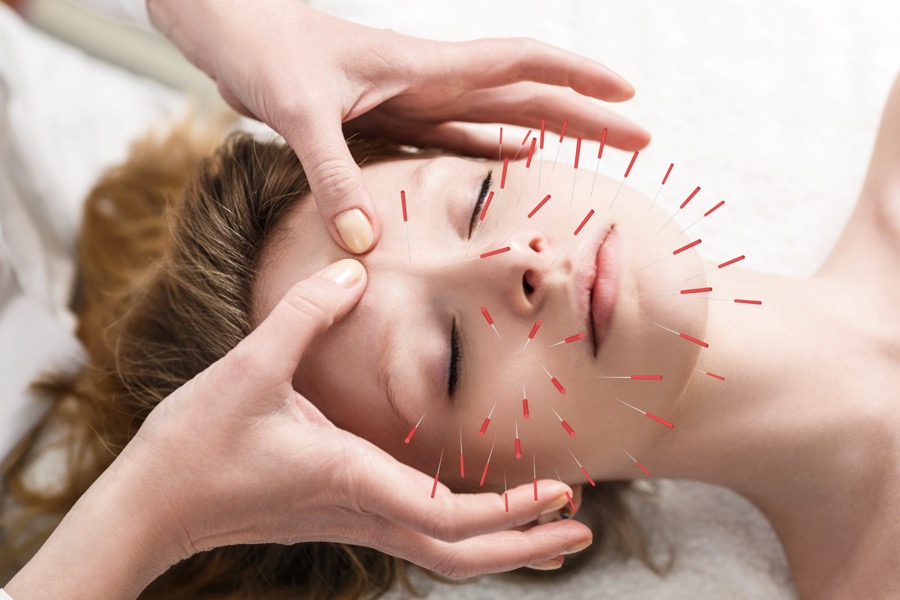
- Thin needles are inserted at these points. You may feel tingling, warmth or a dull ache, which is normal.
- You then rest quietly while the needles are in place.
- 3After your treatment
Aftercare
- Keep the treatment area clean and dry.
- Avoid vigorous exercise for 24 hours after the treatment.
- Keep hydrated.
Some people feel deeply relaxed or a little sleepy afterwards. This is usually temporary and simply reflects a relaxed state.
Conditions Five Elements Acupuncture may help with
Because it looks at the whole person, Five Elements Acupuncture is often chosen when physical symptoms and emotional wellbeing seem connected. These are some of the most common reasons our patients choose it.
Stress & anxiety
Many patients choose Five Elements Acupuncture to help them feel calmer and more balanced.
Learn more →
Poor sleep
Difficulty falling or staying asleep, which TCM often links to an imbalance between the elements.
Learn more →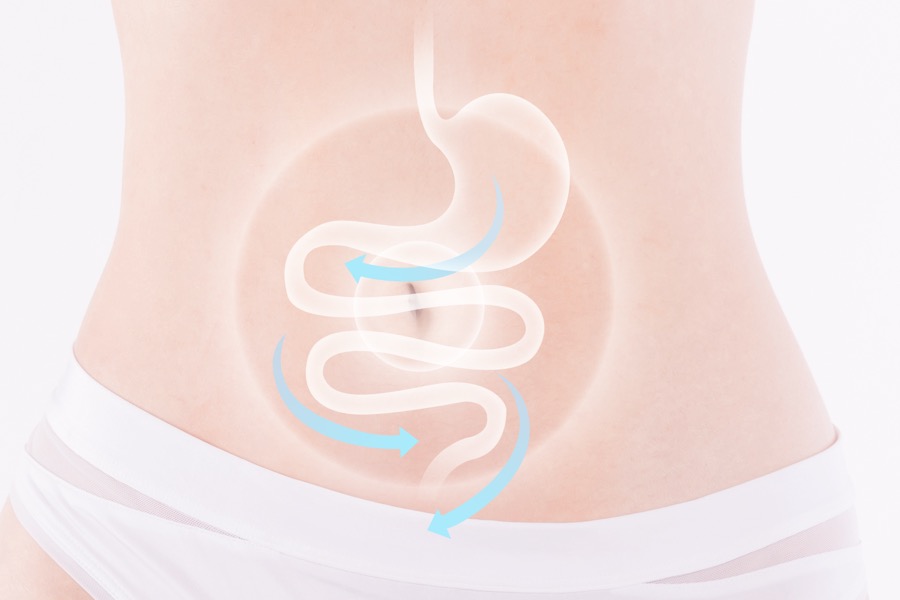
Digestive complaints
Bloating, irregular bowels or a sensitive stomach, often associated with the Earth element.
Learn more →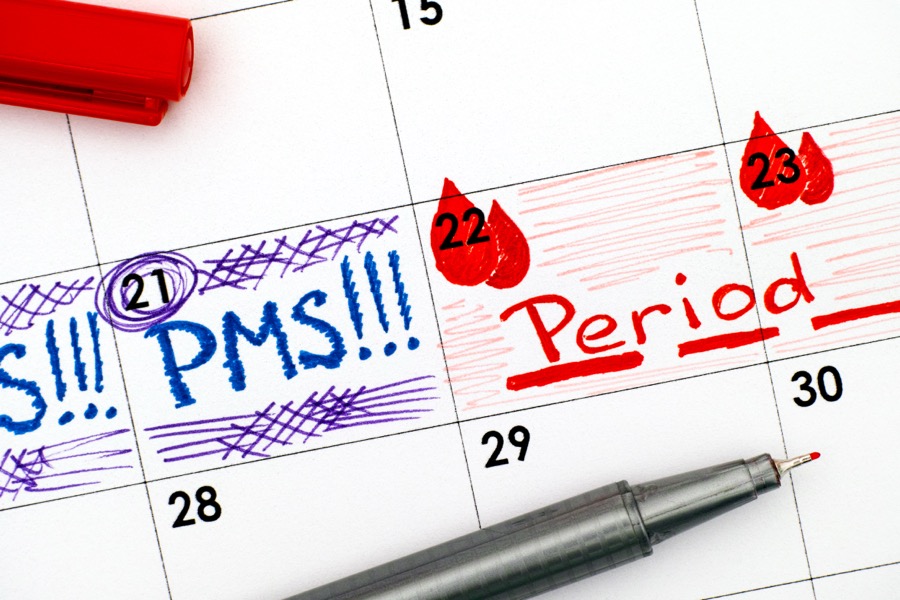
Hormonal imbalance & PMS
Mood changes, bloating and tiredness linked to the menstrual cycle.
Learn more →
Menopausal symptoms
Hot flushes, poor sleep and mood changes are a common reason women try acupuncture.
Learn more →
Fatigue & low energy
Feeling run-down or depleted, which TCM may link to a weakened element such as Water.
Learn more →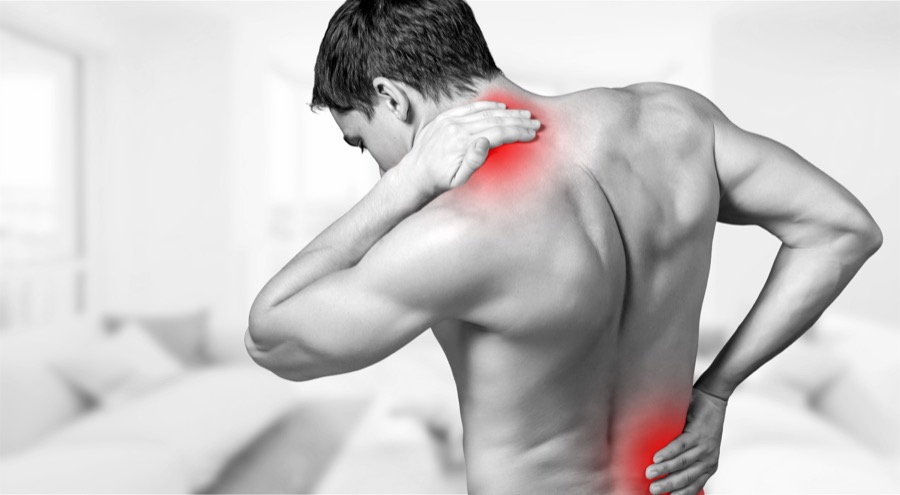
Chronic pain
Long-standing aches and pains, where acupuncture has the strongest research base.
Learn more →
Headaches
Recurring headaches and tension, often linked to the Wood element in TCM.
Learn more →Your practitioner will assess whether Five Elements Acupuncture is right for you at your consultation.
Frequently asked questions
What is Five Elements Acupuncture used for?
How is it different from other acupuncture?
Does it hurt?
How often should I have treatment?
Still have a question? Ask our practitioners.
What our patients say on Google
Conditions we often help with
More acupuncture treatments
Ready to try Five Elements Acupuncture?
Our experienced TCM practitioners are here to help. Book online in under two minutes and choose the time that suits you.
- Fully licensed practitioners
- Covered by private health insurance